The force at which the part breaks in a direct-pull test. A reference figure for selection. How to use the breaking load
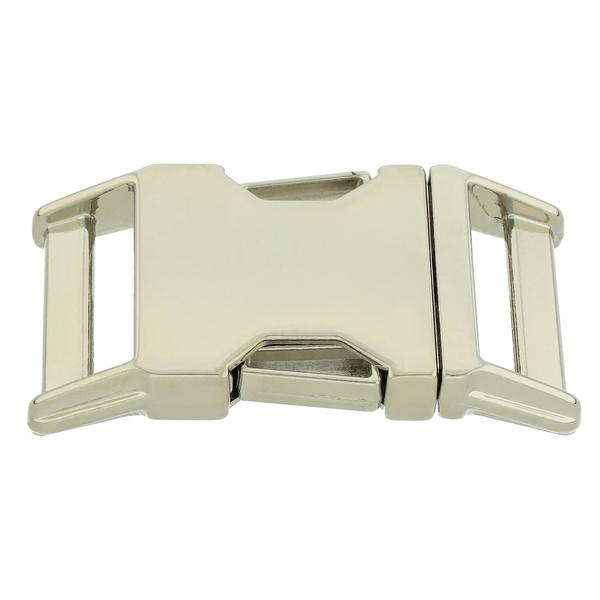
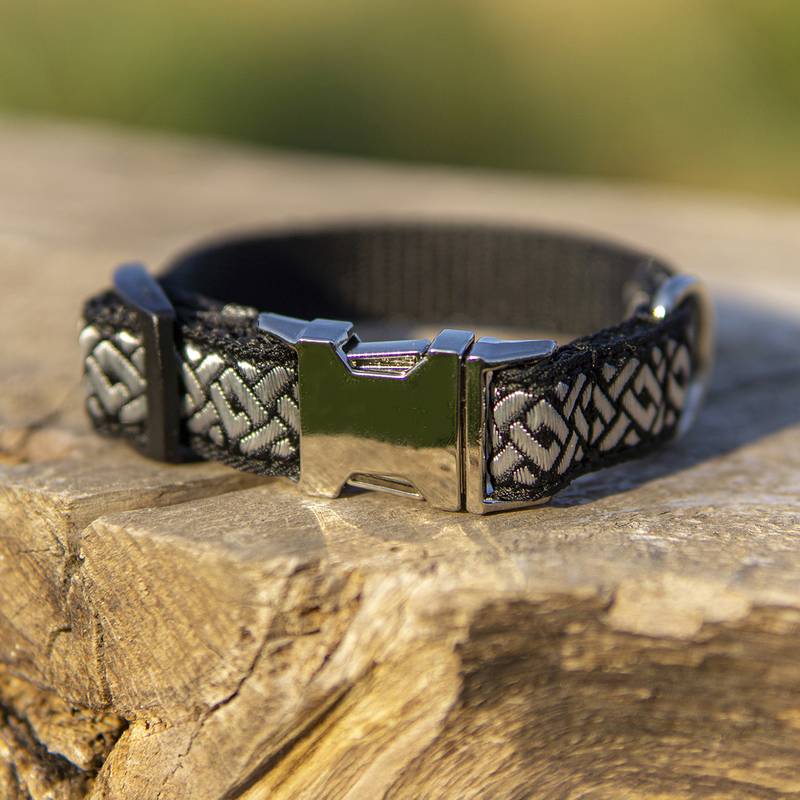
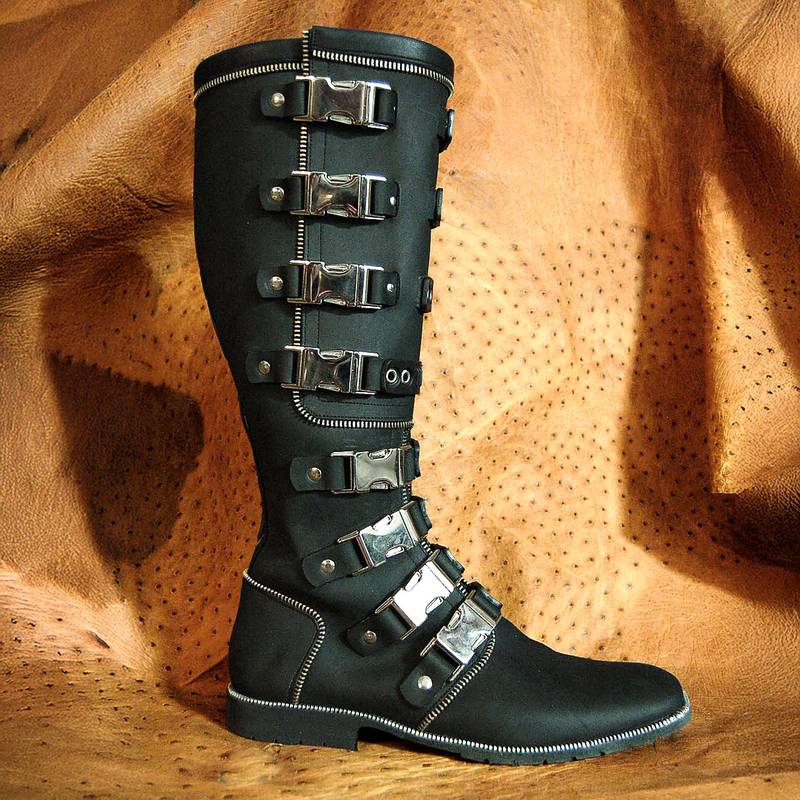
Nickel-plated surface with a glossy silver shine
Slightly curved shape sits comfortably on a collar or belt
Seven widths from 10 to 50 mm, for narrow straps to wide belts
If it gets wet, wipe it dry; no oil or impregnation needed


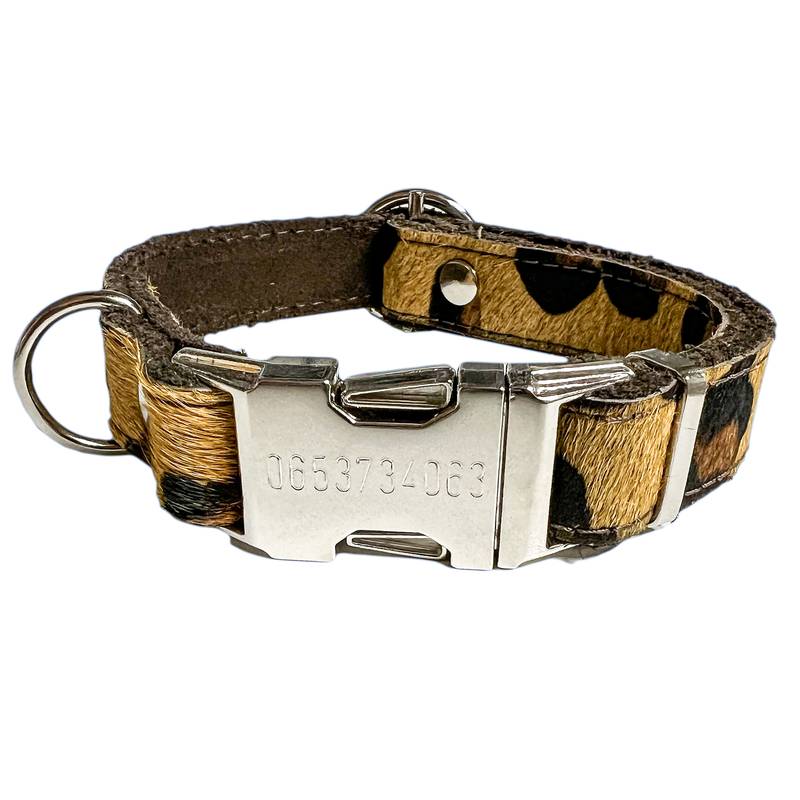
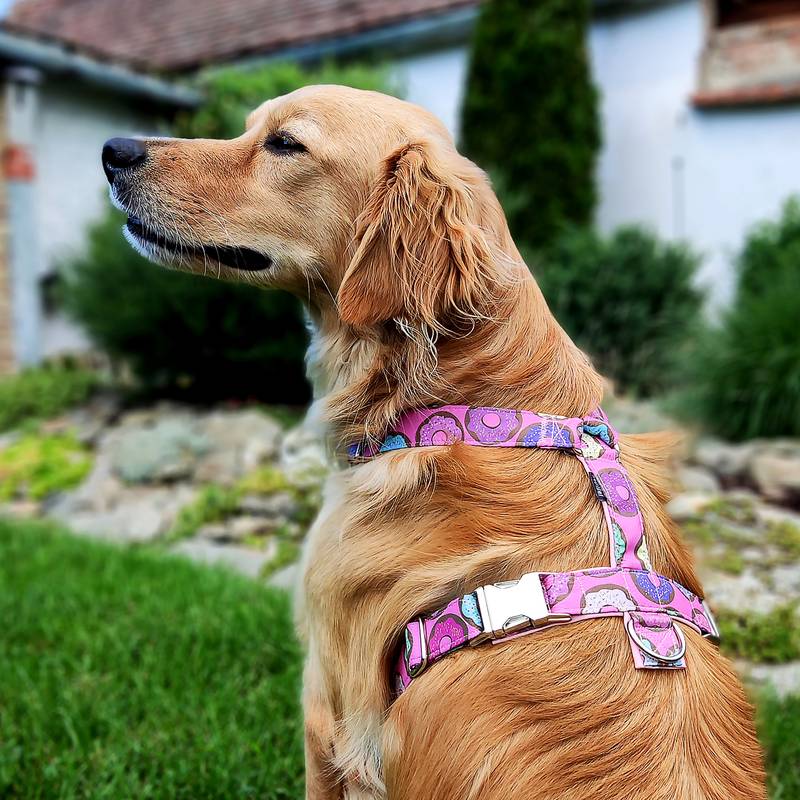
The question collar makers ask me most often about the metal side release buckle is whether it will hold the dog. On an everyday collar it will, but do not choose it by the dog’s weight: when a dog lunges, the force is far greater. For a dog that pulls with its whole weight, or for tying a dog out, I would not use a side release buckle as the closure at all. The second thing is the webbing. The classic metal side release buckle has tight openings, and if you force thicker webbing into them, the prongs rub against it and the buckle may not click shut. For waterproof or lined webbing I therefore use the Metal Side Release Buckle Plus, which has wider openings.
With small dogs my main concern is weight, because a heavy buckle drags the collar round under the neck and the dog keeps scratching at it. For narrow collars I use the Plus, which also comes in 10 and 13 mm widths; the narrowest one weighs roughly half as much as the classic buckle. For a wider collar that should stay light, I reach for the Metal Side Release Buckle Euro. One more thing is worth telling your customers: dogs chew on each other’s collars when they play, and the side prongs can be squeezed by a mouth too.
Enter your email and we'll send you one notification when this product is back in stock. Nothing more.
