Length: 6–13 mm, Material: steel, 1000 pcs/pack
● In stock
from 7.68 € / pack from 10 packs
Prices include 21% VAT. More about VAT and customs fees.
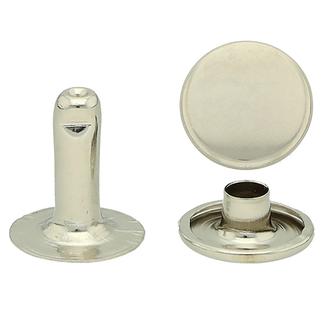
Length: 6–13 mm, Material: steel, 1000 pcs/pack
● In stock
from 7.68 € / pack from 10 packs
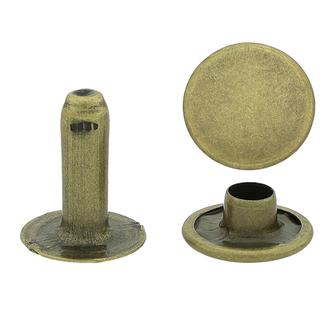
Length: 13 mm, Material: steel, 1000 pcs/pack
● In stock
24.57 € / pack from 5 packs
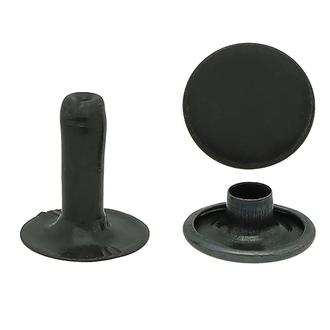
Length: 10–13 mm, Material: steel, 1000 pcs/pack
● In stock
from 13.05 € / pack from 5 packs
Guides & articles
Jump straight to what you need.
Prefer to choose for yourself? Set up the filter exactly to your needs.
What the parameters mean and how to choose the right values.
The most common questions – materials, selection and practical tips.
The total thickness of the layers you're joining decides. Add the shank overhang needed for spreading: the shank should be 2–3 mm longer than the material thickness.
The shank length is listed for every rivet in the dimensions table as dimension B — the full range is in the Rivets & Screws category.
The hole diameter differs by material. For leather, choose a punch slightly smaller than the shank diameter — leather is elastic and grips the shank tightly. For waterproof webbing, choose a punch that matches the shank exactly; the webbing doesn't stretch, so the shank has to pass through without being forced.
A shank that's too long shows up as a rivet that deforms while spreading, or caps that don't line up.
 37 years supplying hardware to makers and workshops, 102,302 customers so far.
 Hardware, leather and tools under one roof. For collars, leashes, halters, belts and handbags.
 Buy more, pay less. You see pack and carton prices and any order-value discount before paying.