Type: Double Butts – Full-grain leather, Thickness: 2.4–5.2 mm, Variants: 5, Size: 180 dm², Quality: Standard (70–89%)
● In stock
from 129,03 € / pc
Prices include 21% VAT. More about VAT and customs fees.
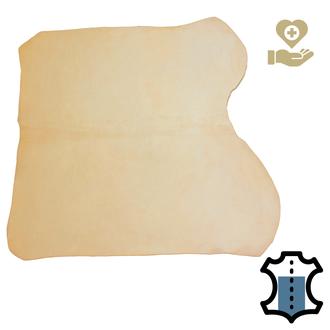
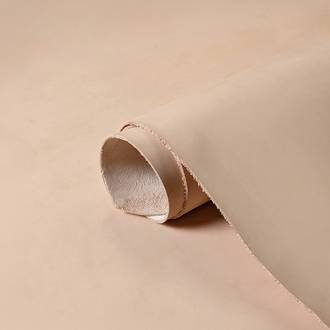
Type: Double Butts – Full-grain leather, Thickness: 2.4–5.2 mm, Variants: 5, Size: 180 dm², Quality: Standard (70–89%)
● In stock
from 129,03 € / pc
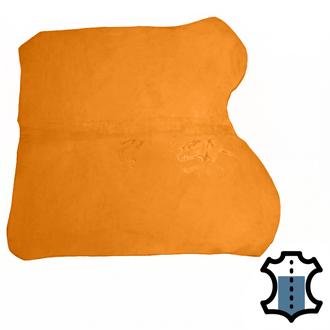
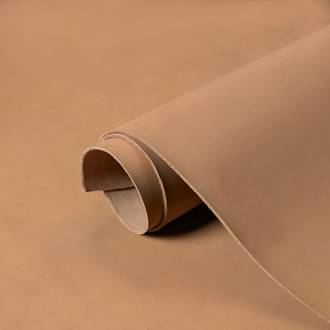
Type: Double Butts – Full-grain leather, Thickness: 2.8–3.2 mm, Size: 180 dm², Quality: Standard (70–89%)
● In stock
151,34 € / pc
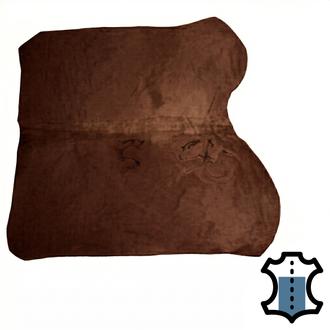
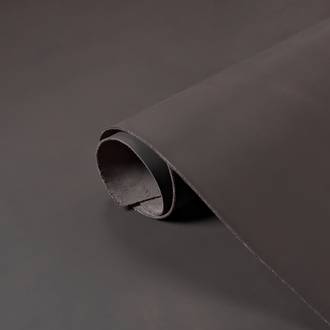
Type: Double Butts – Full-grain leather, Thickness: 2.8–3.2 mm, Size: 180 dm², Quality: Standard (70–89%)
● In stock
151,34 € / pc
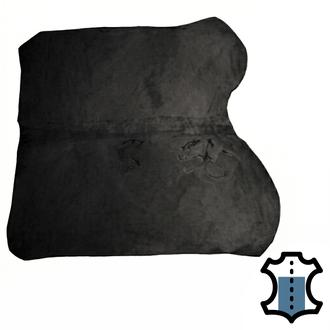
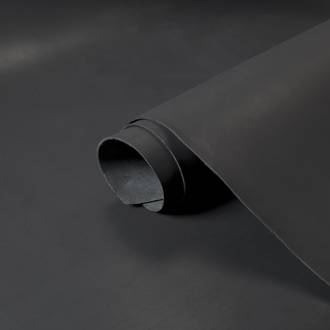
Type: Double Butts – Full-grain leather, Thickness: 2.8–3.2 mm, Size: 180 dm², Quality: Standard (70–89%)
● In stock
151,34 € / pc
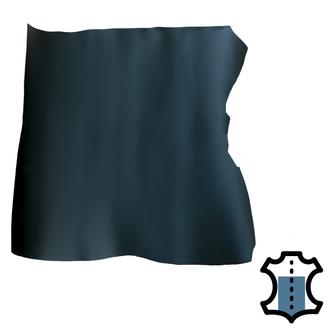
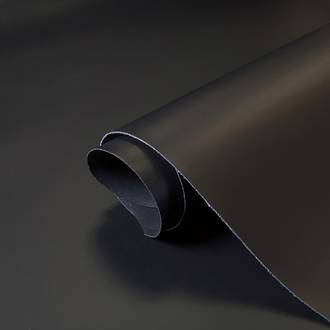
Type: Double Butts – Split leather, Thickness: 1.2–4 mm, Variants: 4, Size: 139 dm², Quality: Standard (70–89%)
● In stock
from 91,60 € / pc
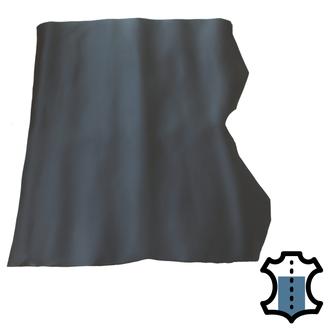
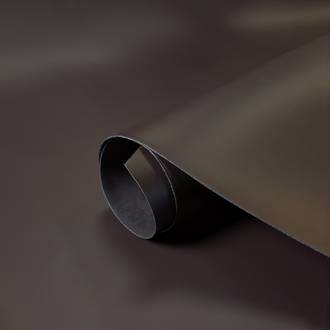
Type: Double Butts – Split leather, Thickness: 1.2–3.2 mm, Variants: 2, Size: 174 dm², Quality: Standard (70–89%)
● In stock
from
100,82 € / pc 126,03 €
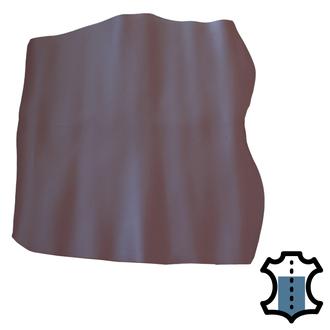
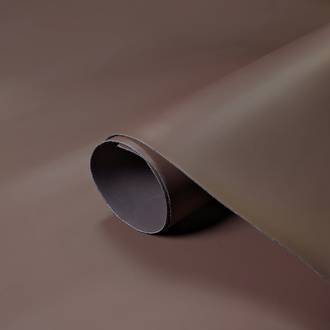
Type: Double Butts – Split leather, Thickness: 2.8–3.2 mm, Size: 188 dm², Quality: Standard (70–89%)
● In stock
132,43 € / pc
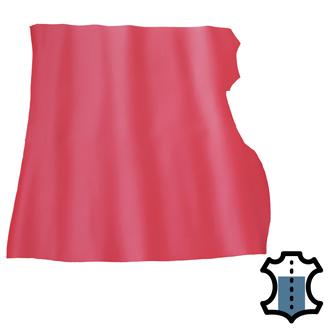
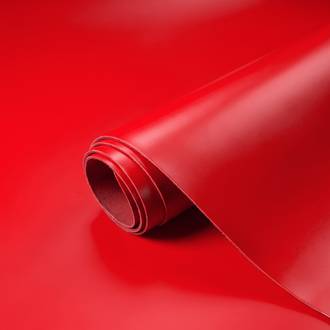
Type: Double Butts – Split leather, Thickness: 2.8–3.2 mm, Size: 188 dm², Quality: Standard (70–89%)
● In stock
132,43 € / pc
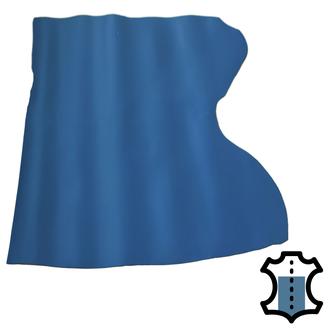
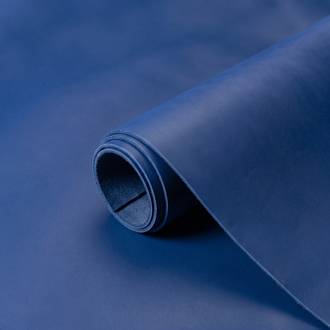
Type: Double Butts – Split leather, Thickness: 2.8–3.2 mm, Size: 170 dm², Quality: Standard (70–89%)
● In stock
132,43 € / pc
Type: Double Butts – Split leather, Thickness: 2.8–3.2 mm, Size: 188 dm², Quality: Standard (70–89%)
● In stock
132,43 € / pc
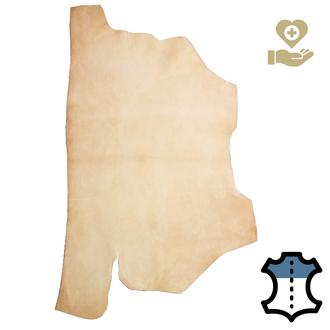
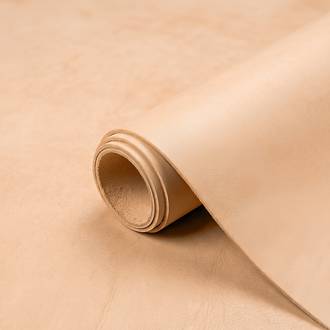
Type: Double Shoulder – Full-grain leather, Thickness: 0.8–2 mm, Variants: 3, Size: 91 dm², Quality: Standard (70–89%)
● In stock
from 42,39 € / pc
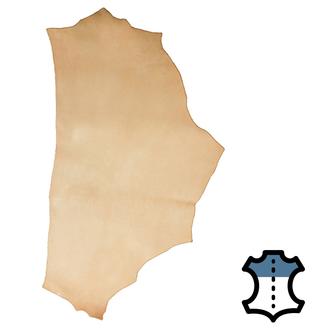
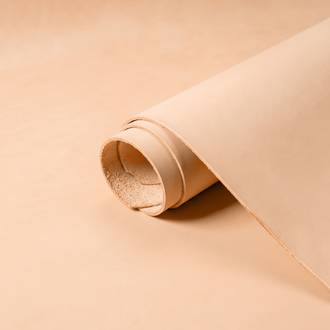
Type: Double Shoulder – Full-grain leather, Thickness: 0.8–4 mm, Variants: 4, Size: 120 dm², Quality: Premium (90–100%)
● In stock
from 91,35 € / pc
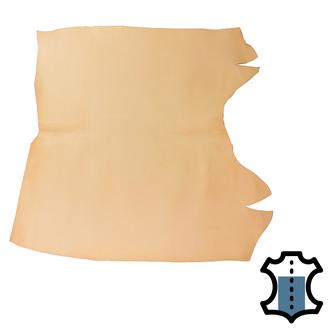
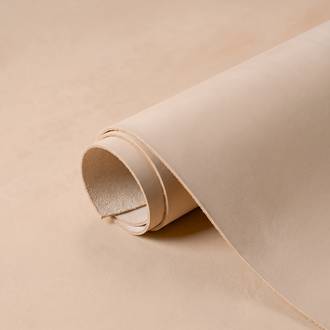
Type: Double Butts – Full-grain leather, Thickness: 2.5–4 mm, Variants: 2, Size: 213 dm², Quality: Premium (90–100%)
● Out of stock
from 205,97 € / pc
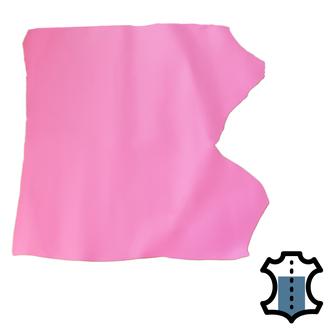
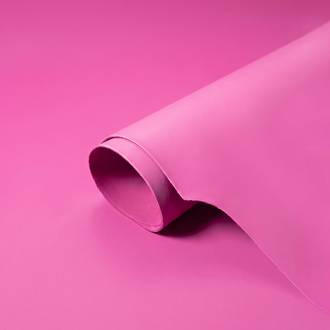
Type: Double Butts – Split leather, Thickness: 2.8–3.2 mm, Size: 188 dm², Quality: Standard (70–89%)
● Out of stock
132,43 € / pc
Snappy advises
Cowhide Leather: jump straight to what you need.
Leather Type
Leather Thickness
Leather Layer
Cowhide Leather: want to choose your own way? Set up a filter exactly to your needs.
Cowhide Leather: what the parameters mean and how to choose the right values.
The leather layer indicates whether it is the upper grain layer or the lower split. Thicker cowhide is divided horizontally into two layers during processing.
Full-grain leather – the upper layer with its natural grain. The strongest part of the hide; it ages naturally and develops a patina. On suitable types the surface can be decorated with stamping.
Split leather – the lower separated layer without a natural grain. The surface is finished further (buffing, pigmented coating), so it can be smooth, velvety or otherwise uniform. Commonly used for collars, belts, bags and leather goods.
Cowhide Leather: most common questions – materials, selection and practical tips.
No, we don't normally supply health safety test reports for leather and leather straps.
Why. Testing every batch is neither common practice nor mandatory in this industry. The obligation to hold test reports lies with the manufacturer of the final product, where EU legislation requires it for that type of product.
In the past we had part of our range tested on a random basis. Where we do have a test report, it is listed directly on the product. If it isn't on the product, we don't have it.
If you need a test report, you have to arrange the testing yourself at an accredited laboratory and at your own cost.
 37 years supplying hardware to makers and workshops, 101,767 customers so far.
 Hardware, leather and tools under one roof. For collars, leashes, halters, belts and handbags.
 Buy more, pay less. You see pack and carton prices and any order-value discount before paying.