For webbing widths 25 mm and 40 mm, Material: zinc die casting, 10 pcs/pack
● In stock
0.495 € / pc from 50 pcs
Prices include 21% VAT. More about VAT and customs fees.
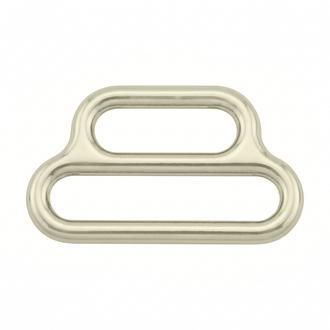
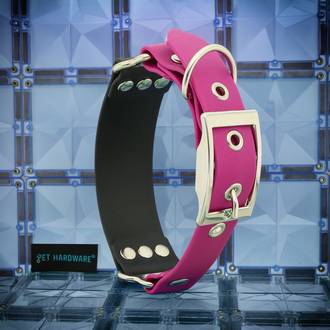
For webbing widths 25 mm and 40 mm, Material: zinc die casting, 10 pcs/pack
● In stock
0.495 € / pc from 50 pcs
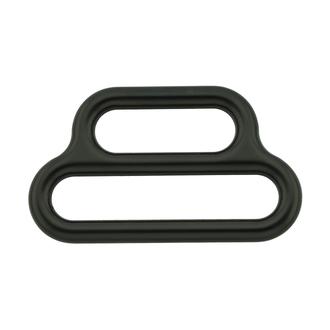
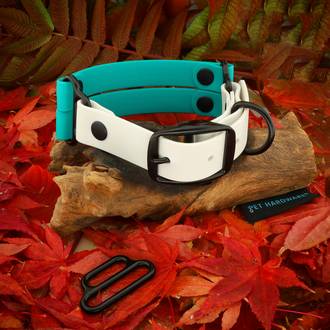
For webbing widths 25 mm and 40 mm, Material: zinc die casting, 10 pcs/pack
● In stock
0.530 € / pc from 50 pcs

For webbing widths 25 mm and 38 mm, Material: zinc die casting, 10 pcs/pack
● In stock
0.225 € / pc from 50 pcs

For webbing widths 25 mm and 38 mm, Material: zinc die casting, 10 pcs/pack
● In stock
0.357 € / pc from 50 pcs

For webbing widths 25 mm and 38 mm, Material: zinc die casting, 10 pcs/pack
● In stock
0.311 € / pc from 50 pcs

For webbing widths 25 mm and 50 mm, Material: zinc die casting, 10 pcs/pack
● In stock
0.248 € / pc from 50 pcs

For webbing widths 40 mm and 50 mm, Material: zinc die casting, 10 pcs/pack
● In stock
0.276 € / pc from 50 pcs

For webbing widths 25 mm and 40 mm, Material: brass sand casting, 10 pcs/pack
● In stock
2.07 € / pc from 50 pcs
Snappy advises
A webbing reduction loop joins webbing of two different widths, for example a wide collar strap to a narrower buckle tab. Its rounded edges do not damage the webbing pulled through it. Choose standard or heavy-duty loops by the two widths (13–50 mm); the breaking load listed for each runs from 60 to 250 kg.
What the parameters mean and how to choose the right values.
 37 years supplying hardware to makers and workshops, 103,033 customers so far.
 Hardware, leather and tools under one roof. For collars, leashes, halters, belts and handbags.
 Buy more, pay less. You see pack and carton prices and any order-value discount before paying.
