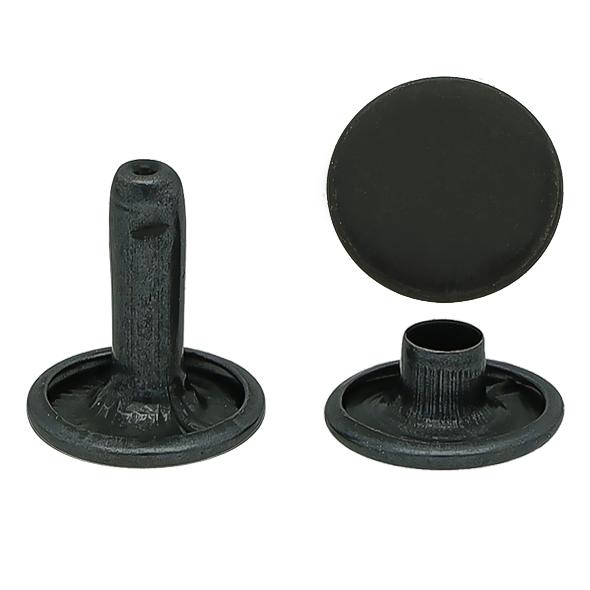
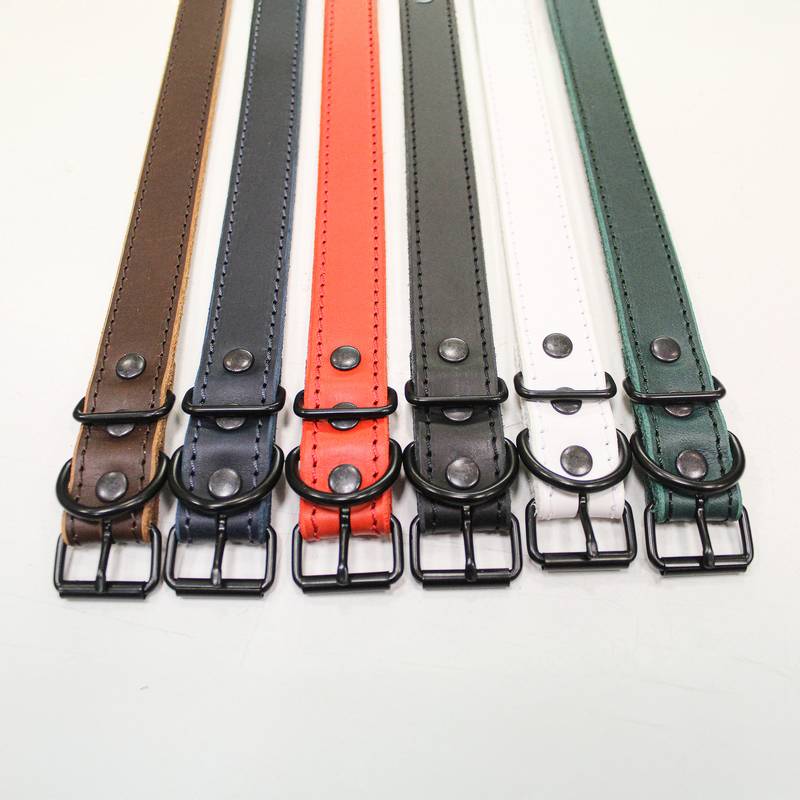
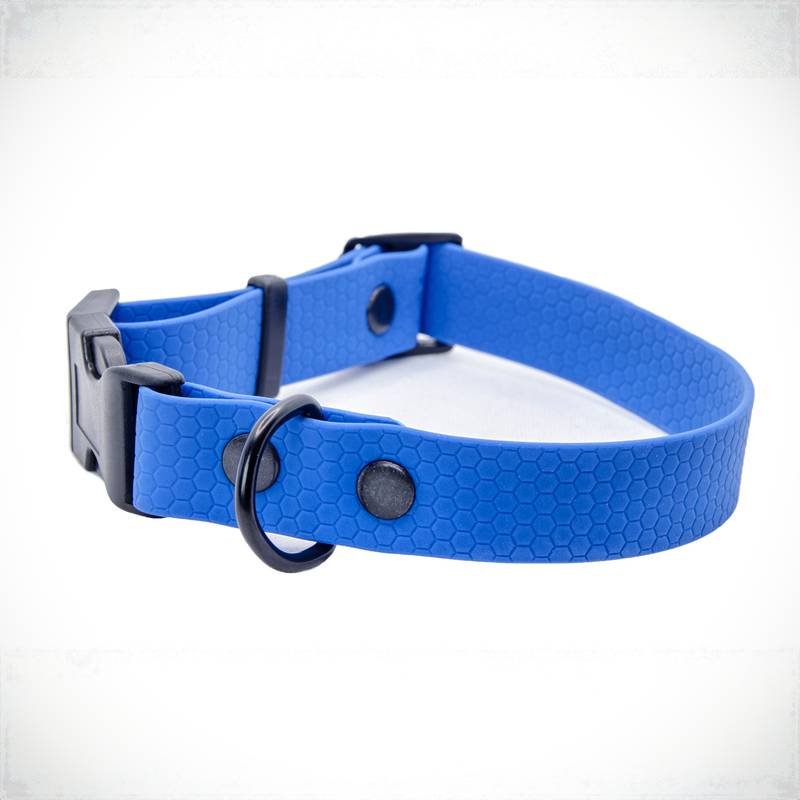
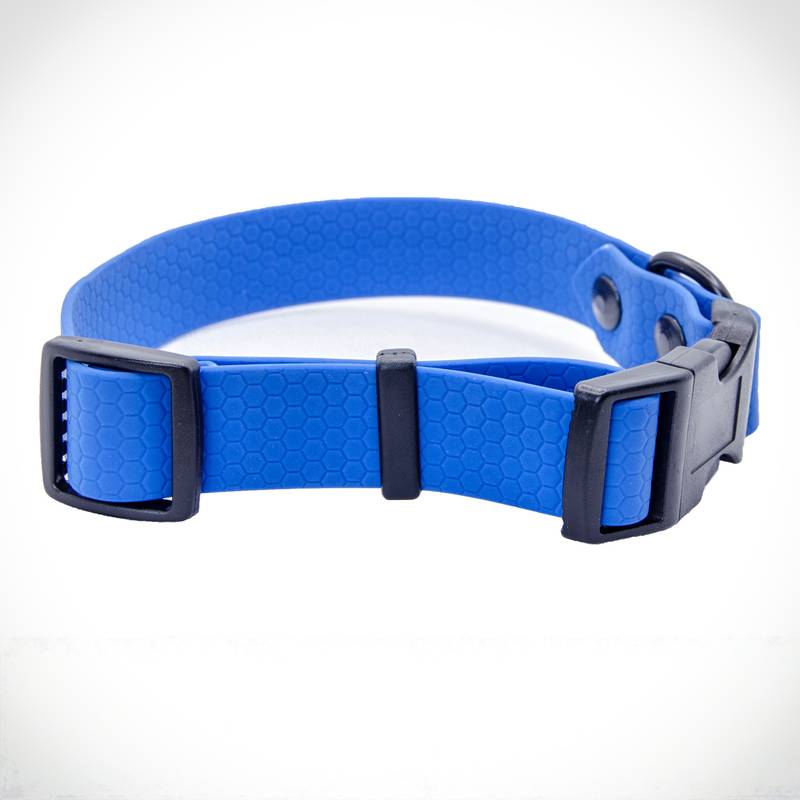
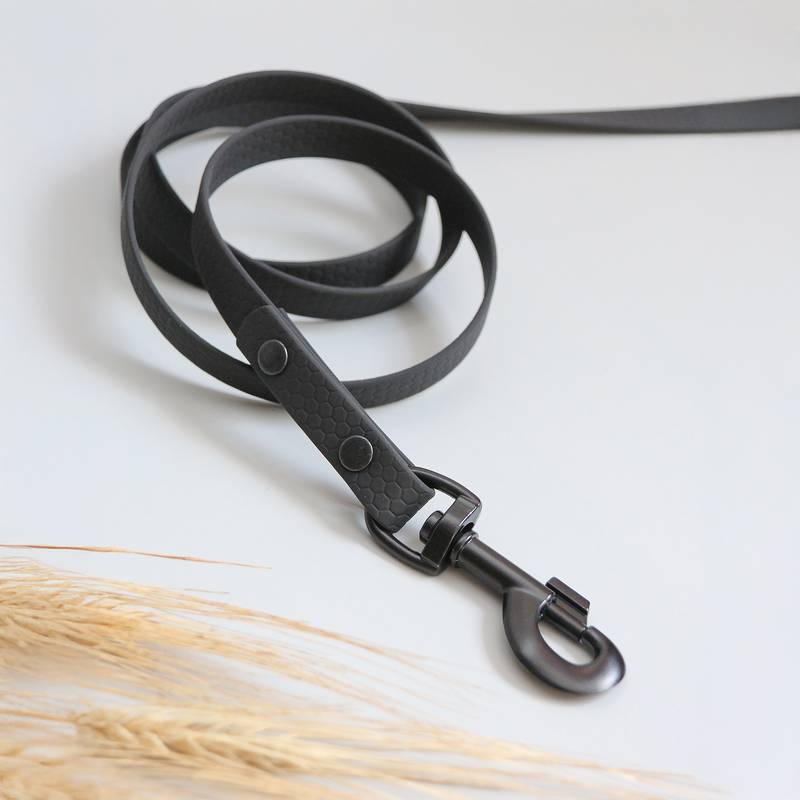
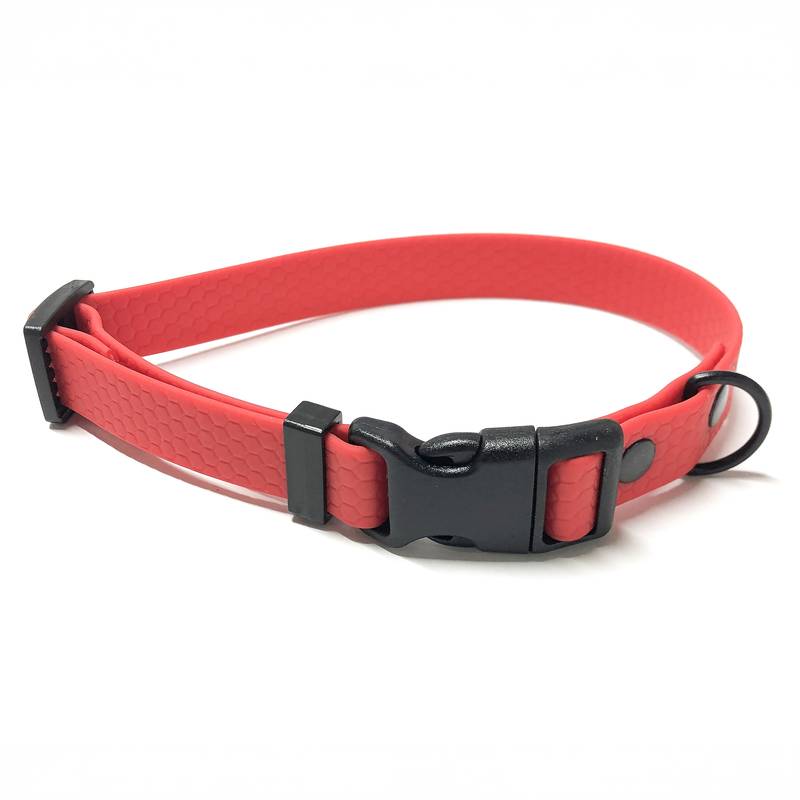
This two-part double cap saddlery rivet has a very useful notch near the tip of the stem, which lets you rivet belts, collars and harnesses faster and makes the join stronger. Use double cap rivets where both sides of the rivet will be visible, or where the rivet comes in contact with other surfaces (purse and other handles, leashes, collars, harnesses, …). The price listed is for the entire package (1000 pcs).
Choose the right tool both for punching the hole and for setting the rivet. Punch the hole with a hole punch or drive punch whose diameter matches the diameter of the rivet stem (dimension A). Set the rivet with the #3990-00 hand press and a die; without a press, use a hand setter. Always choose the size of the die or setter according to the rivet size. You will find suitable tools among the recommended products below.
Pantone Colour
NoneNoneThe number refers to the closest PANTONE® colour. On-screen colour is only a guide; use a physical PANTONE® guide when an exact match matters.
Enter your email and we'll send you one notification when this product is back in stock. Nothing more.
Frequently asked questions
The total thickness of the layers you're joining decides. Add the shank overhang needed for spreading: the shank should be 2–3 mm longer than the material thickness.
The shank length is listed for every rivet in the dimensions table as dimension B — the full range is in the Rivets & Screws category.
The hole diameter differs by material. For leather, choose a punch slightly smaller than the shank diameter — leather is elastic and grips the shank tightly. For waterproof webbing, choose a punch that matches the shank exactly; the webbing doesn't stretch, so the shank has to pass through without being forced.
A shank that's too long shows up as a rivet that deforms while spreading, or caps that don't line up.