Go to content | Go to main menu | Go to search
You are here: Pet Hardware Horse Hardware Conway Buckles Conway buckle – Chrome Plated
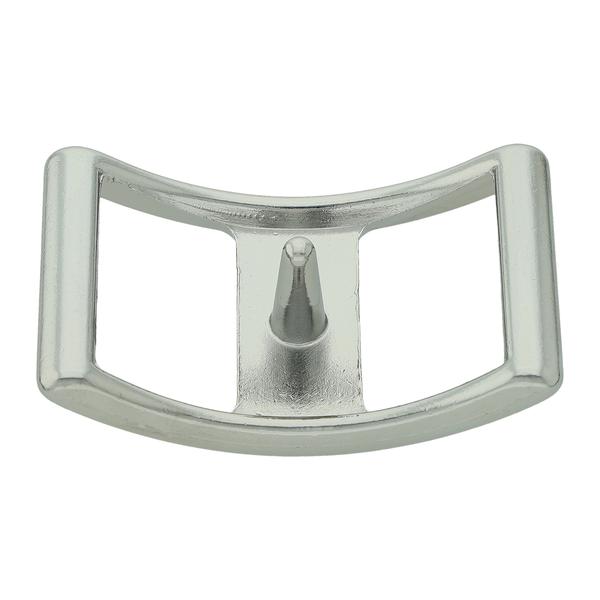
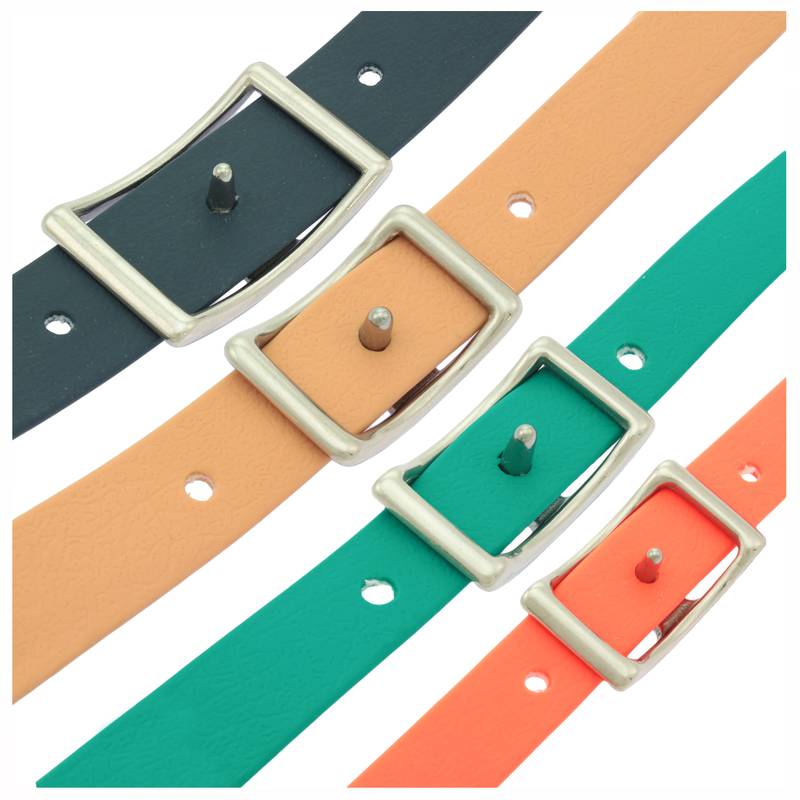
The Conway buckle joins a strap without stitching and without unnecessary bulk. Unlike standard buckles that create a bulkier connection with multiple layers of material, this buckle keeps the strap profile to just two layers. It suits reins, camera straps, rifle slings, or adjustable straps on premium bags, where a smooth surface and a low profile matter.

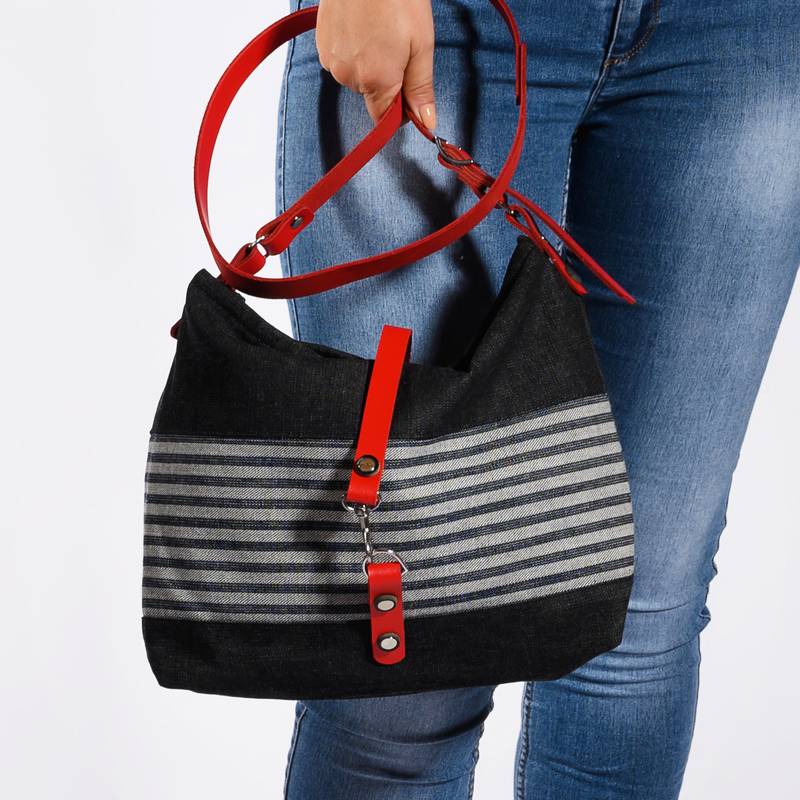
This buckle completely changes the game for anyone carrying a bag or strap over the shoulder. Its ultra-low profile is exactly why professionals love it – you simply don’t feel it at all when wearing it. And if your holes are punched correctly, adjustment is actually faster and easier than with a traditional buckle. No struggling with threading a moving pin – you just “drop” the hole in the strap onto the fixed prong and you’re done.
Two golden rules for a great result:
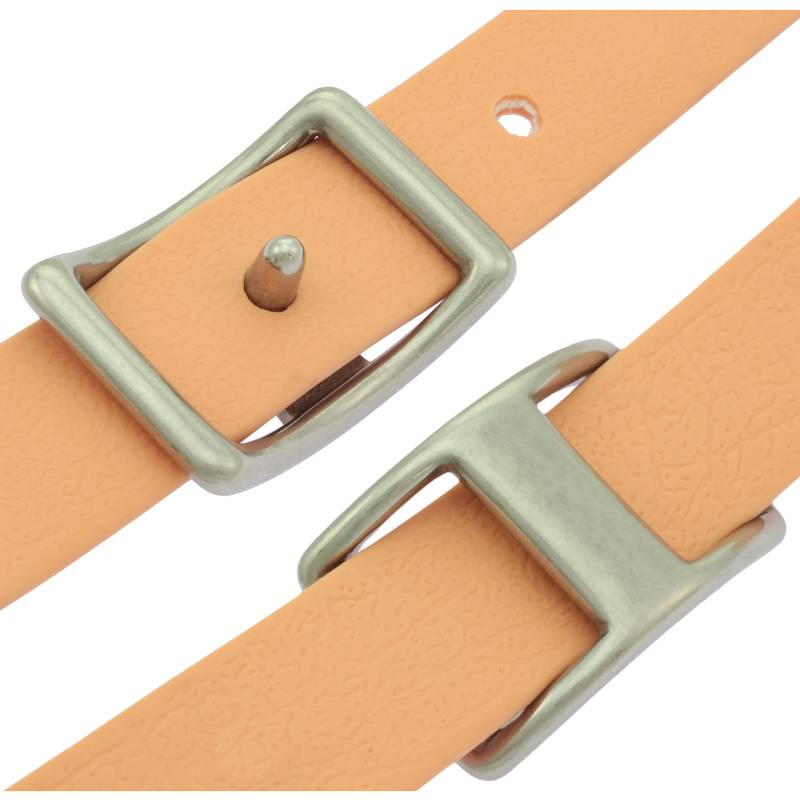
Fixing without rivets: A major advantage is that the buckle doesn’t need to be permanently riveted to the strap. It is held in place by the strap end itself, which is seated onto the prong first.
Threading method: Thread the strap end from the bottom so it forms the first layer inside the buckle. Then pull the main strap over it and secure it by placing the hole onto the prong. This creates a lock that won’t come undone under tension.
Technical tip: To ensure the strap sits flat in the buckle frame, punch the holes slightly larger than the prong diameter. The material will then settle smoothly into the base, creating a highly stable connection.

Enter your email and we'll send you one notification when this product is back in stock. Nothing more.
