Inner Ø: 4.8–14 mm, Number of sizes: 6, Material: brass, 10 pcs/pack, Price per pc
● In stock
from 0,036 € / pc
Material
Wrought brass hardware, stamped, drawn or turned. It develops a natural patina and only needs an occasional wipe. Not suitable for regular salt water contact.
Prices include 21% VAT. More about VAT and customs fees.
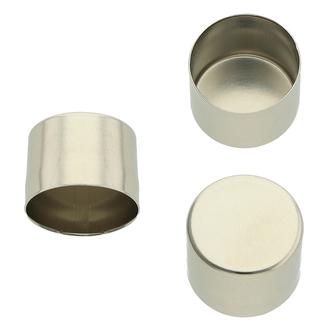
Inner Ø: 4.8–14 mm, Number of sizes: 6, Material: brass, 10 pcs/pack, Price per pc
● In stock
from 0,036 € / pc
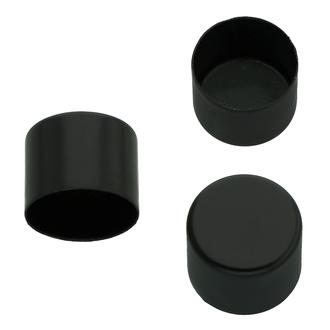
Inner Ø: 6–14 mm, Number of sizes: 5, Material: brass, 10 pcs/pack, Price per pc
● In stock
from 0,108 € / pc
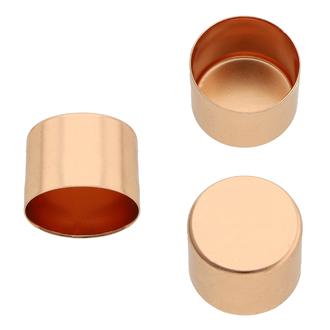
Inner Ø: 6–12 mm, Number of sizes: 4, Material: brass, 10 pcs/pack, Price per pc
● In stock
from 0,191 € / pc
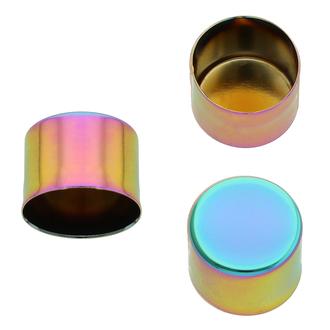
Inner Ø: 6–12 mm, Number of sizes: 4, Material: brass, 10 pcs/pack, Price per pc
● In stock
from 0,312 € / pc
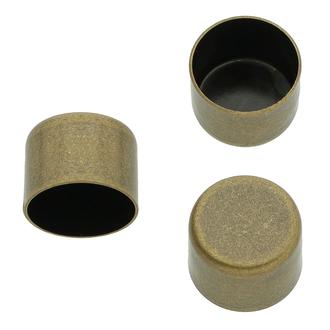
Inner Ø: 6–12 mm, Number of sizes: 4, Material: brass, 10 pcs/pack, Price per pc
● In stock
from 0,083 € / pc
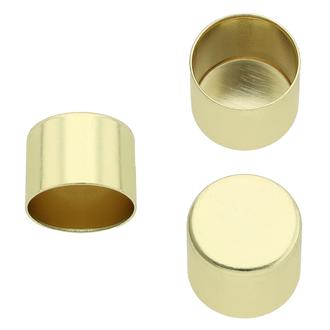
Inner Ø: 4.8–14 mm, Number of sizes: 6, Material: brass, 10 pcs/pack, Price per pc
● In stock
from 0,050 € / pc
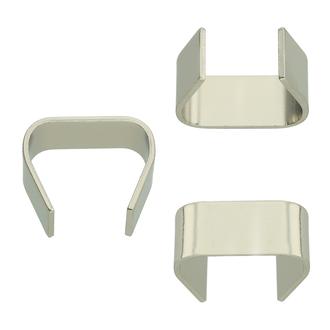
Elegant rope clamp with nickel plated finish, for 6–12 mm diameter ropes. Very simple to apply, using a rubber mallet #19255 and hard block.
● In stock
from 0,271 € / pc
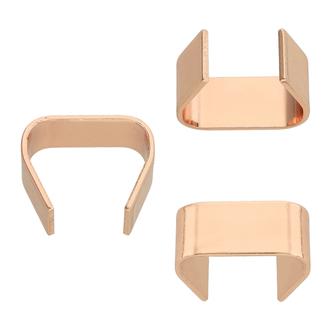
Elegant rope clamp with rose gold finish, for 6–12 mm diameter ropes. Very simple to apply, using a rubber mallet #19255 and hard block.
● In stock
from 0,373 € / pc
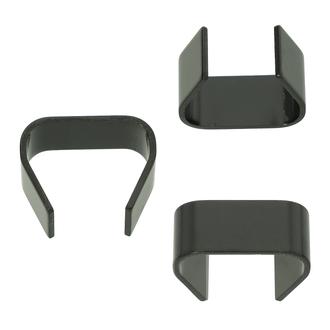
Elegant rope clamp with black nickel finish, for 6–12 mm diameter ropes. Very simple to apply, using a rubber mallet #19255 and hard block.
● In stock
from 0,296 € / pc
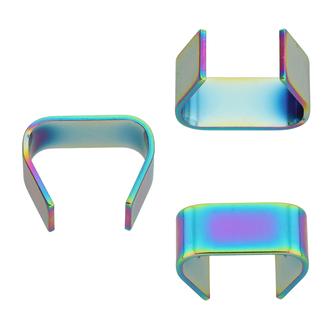
Elegant rope clamp with titanium neo-chrome finish, for 6–12 mm diameter ropes. Very simple to apply, using a rubber mallet #19255 and hard block.
● In stock
from
0,449 € / pc 0,561 €
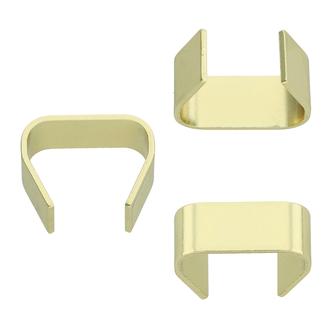
Elegant rope clamp with brass plated finish, for 6–12 mm diameter ropes. Very simple to apply, using a rubber mallet #19255 and hard block.
● In stock
from 0,329 € / pc
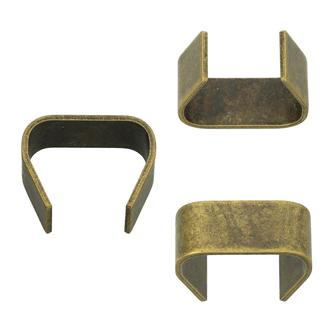
Elegant rope clamp with antique brass finish, for 6–12 mm diameter ropes. Very simple to apply, using a rubber mallet #19255 and hard block.
● In stock
from 0,289 € / pc
An alloy of copper and zinc, sometimes with a little lead for easier machining. This page covers wrought brass: pieces stamped, drawn or turned from sheet, wire and bar. Brass sand casting is cast into moulds and has lower strength.
Brass is easy to form and machine, and because it is not an iron alloy, it does not rust. Our rivets, eyelets, studs, cord ends, zipper teeth and show chains are made from it. Many pieces are nickel-plated or gold-plated, and then the surface determines the look.
For regular contact with salt water, take marine bronze or 316 stainless steel. Chlorides draw zinc out of brass and leave the metal porous and weak.
Brass without a finish darkens to a patina; that is normal. Metal polish restores the shine, but use it sparingly, as each polishing removes a little metal. Wax or clear lacquer slows the darkening but does not stop it permanently. Do not use cleaners containing ammonia on brass.
You can recognise zinc loss by the colour: the yellow surface first turns salmon pink and later reddish brown. Replace any load-bearing part that shows this change.
Values describe the bare material without a surface finish; the finish page says what changes.
Price
Mid-range
A mid-range price class. Compare its specific durability, weight and finish with the less expensive alternatives before choosing.
Strength
High
Suitable for strong, repeated pulling. Holds its shape under sustained loads better than materials in the lower strength classes.
Corrosion resistance
Outdoor exposure
Suitable for typical outdoor contact with rain and dew without a protective coating. More demanding environments, such as salt water or chemicals, require a different rating.
Water
Fresh-water immersion
Suitable for repeated wetting and immersion in fresh water. Any care requirements for the complete product still depend on its other materials and components.
| Weight | Heavy | The highest weight class in this comparison. Better suited to larger products and applications where low weight is not a priority. |
|---|---|---|
| Allergy risk | Low contact-reaction risk | The material has a low risk of causing a contact reaction in normal use. Individual sensitivity varies, and the selected surface finish and other components also matter. |
| Aging | Develops patina | Naturally changes colour tone and surface texture. This is not a defect; it is a property of the material. The patina develops gradually and may differ from one piece to another. |
| Maintenance | Occasional cleaning | Wipe occasionally with a dry or slightly damp cloth. No specialist products or fixed care schedule are required. |