Inner width: 8, 10, 12 mm, Material: stainless steel (AISI 316), 10 pcs/pack, Price per pc
● In stock
from 1,39 € / pc
Material
316 stainless steel contains molybdenum, so it resists salt better than 304. It suits hardware used by the sea; rinse it with fresh water after use.
Prices include 21% VAT. More about VAT and customs fees.
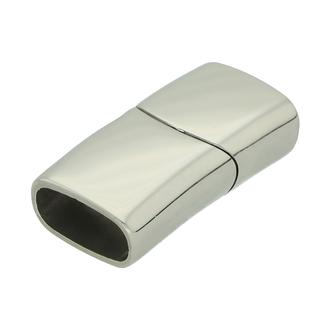
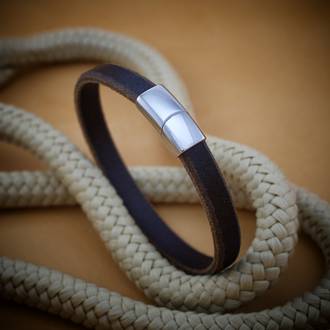
Inner width: 8, 10, 12 mm, Material: stainless steel (AISI 316), 10 pcs/pack, Price per pc
● In stock
from 1,39 € / pc
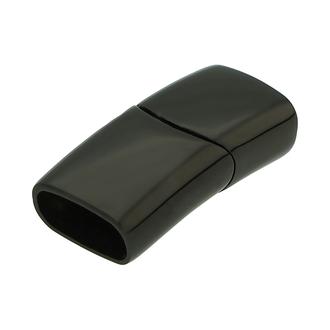
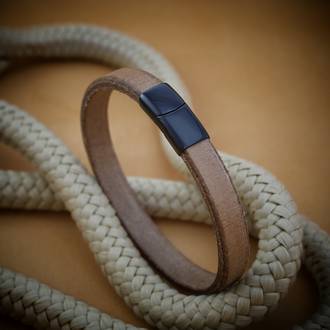
Inner width: 8, 10, 12 mm, Material: stainless steel (AISI 316), 10 pcs/pack, Price per pc
● In stock
from 1,82 € / pc
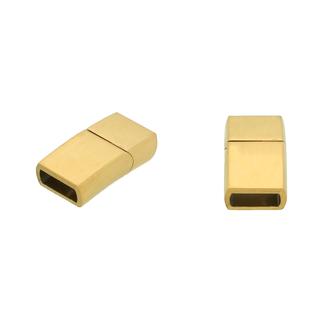
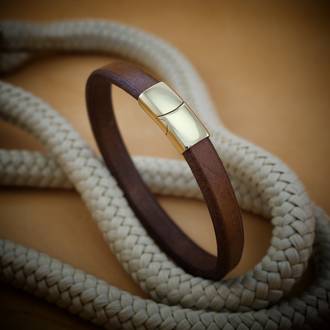
Inner width: 8, 10, 12 mm, Material: stainless steel (AISI 316), 10 pcs/pack, Price per pc
● In stock
from 1,82 € / pc
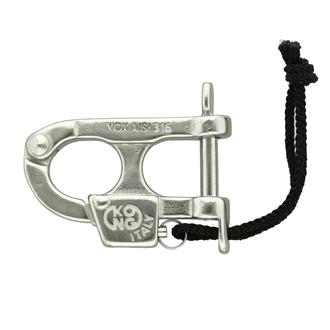
Eye width: 16 mm, Material: stainless steel (AISI 316), Breaking load: up to 1000 kg, Price per pc
● In stock
24,17 € / pc
Stainless steel alloyed with 2–3% molybdenum and with a higher nickel content than 304 stainless steel. Molybdenum improves resistance to pitting and crevice corrosion caused by chlorides, such as the salt in sea water. That is why it is called marine-grade stainless steel, even though it does not survive every marine environment without corrosion either.
For stainless snap shackles for water sports, sailing and training by the water, for example the Kong snap shackle.
It is not intended for hardware that stays submerged in the sea for long periods, especially in warm or stagnant water. For everyday walks far from the sea, 304 stainless steel is enough and costs less.
After contact with sea water, rinse the hardware with fresh water and let it dry so that salt does not stay in the gaps and in the mechanism. The manufacturer recommends lubricating the snap shackle mechanism occasionally. On the coast, light brown stains can appear on stainless steel that has not been cleaned; regular rinsing prevents them.
Stainless screws marked A4 belong to the same family: under A4, the ISO 3506 standard covers 316-type steels alloyed with molybdenum. In laboratory tests in artificial sweat, low-sulphur 304 and 316L steels released only very small amounts of nickel, but individual sensitivity varies.
Values describe the bare material without a surface finish; the finish page says what changes.
Price
Highest
The highest price class in this comparison. Choose it when the listed material properties or manufacturing method are important to the finished product.
Strength
Very high
The highest strength class in this comparison. Intended for working gear and other applications exposed to high loads; always match the complete product to its intended use.
Corrosion resistance
Marine environments
Intended for salt water, chlorides and other demanding environments. Suitable for coastal use and products that are regularly exposed to seawater.
Water
Seawater
Suitable for regular contact with seawater. Rinse the complete product after use if its other materials or components require it.
| Weight | Medium | A mid-weight option. For small collars, accessories and products worn for long periods, compare the weight of the complete product with a lighter material. |
|---|---|---|
| Allergy risk | Low contact-reaction risk | The material has a low risk of causing a contact reaction in normal use. Individual sensitivity varies, and the selected surface finish and other components also matter. |
| Aging | Slow change | Changes to colour, gloss and surface texture develop slowly during normal use. The exact result still depends on exposure, care and the complete product. |
| Maintenance | No special care | No special care is required. Rinse with water or wipe with a cloth when cleaning is needed. |