Eye width: 22 mm, Material: marine bronze, Breaking load: up to 188 kg, Price per pc
● In stock
11,18 € / pc
Material
KONG snap hooks in marine bronze for leashes used on the coast, in water and mud. They handle salt water well and develop a harmless patina over time.
Prices include 21% VAT. More about VAT and customs fees.
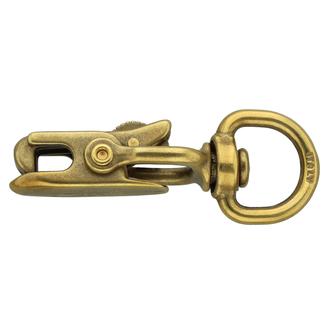
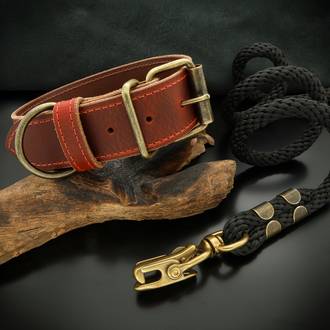
Eye width: 22 mm, Material: marine bronze, Breaking load: up to 188 kg, Price per pc
● In stock
11,18 € / pc
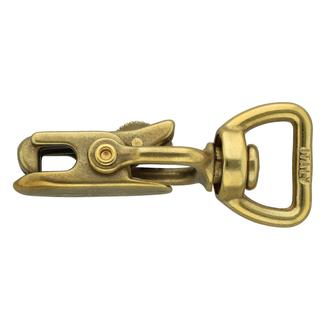
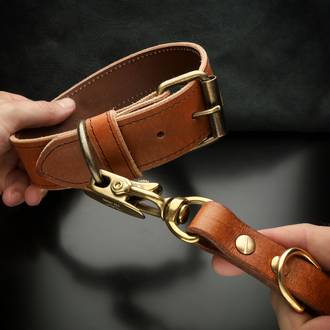
Eye width: 20 mm, Material: marine bronze, Breaking load: up to 183 kg, Price per pc
● In stock
10,83 € / pc
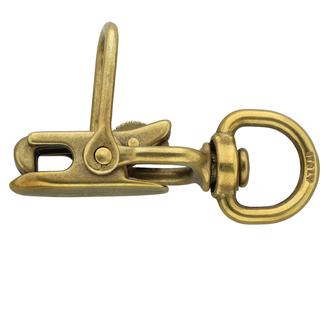
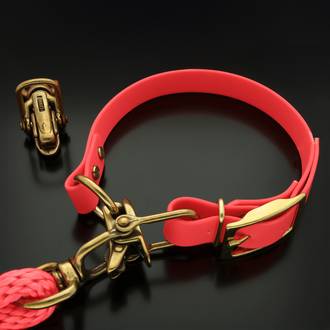
Eye width: 22 mm, Material: marine bronze, Breaking load: up to 188 kg, Price per pc
● In stock
11,18 € / pc
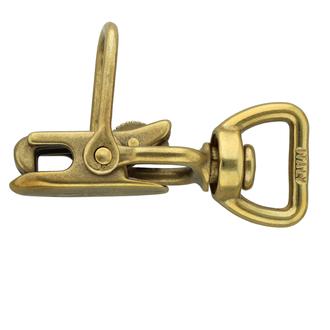
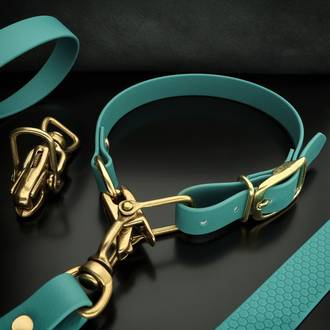
Eye width: 20 mm, Material: marine bronze, Breaking load: up to 188 kg, Price per pc
● In stock
11,18 € / pc
A copper alloy. Classic marine bronzes combine copper with tin, related alloys with aluminium or silicon. Our snap hooks are made by the Italian company KONG, which specifies marine bronze but does not publish the exact composition of the alloy.
Bronze has been used for hardware in sea water for ages. KONG designed these snap hooks for the leashes of hunting and working dogs: a safety catch prevents accidental opening, and the mechanism is built so that it does not jam with mud, ice or dust.
It weighs about the same as brass and more than steel. For city walks, brass or 304 stainless steel is enough; for the smallest dogs, choose aluminium or plastic.
Bronze does not rust, but its shine gradually dulls and darkens, and in damp conditions or by the sea it can turn green. This patina is harmless. If you want to keep the shine, polish the snap hook now and then. After salt water, rinse it, and do not clean it with strong ammonia-based cleaners.
Bronze is a loose trade name: so-called manganese bronze is actually brass with a high zinc content and handles sea water worse. Bronze is one of the oldest alloys and gave its name to the entire Bronze Age.
Values describe the bare material without a surface finish; the finish page says what changes.
Price
Highest
The highest price class in this comparison. Choose it when the listed material properties or manufacturing method are important to the finished product.
Strength
High
Suitable for strong, repeated pulling. Holds its shape under sustained loads better than materials in the lower strength classes.
Corrosion resistance
Marine environments
Intended for salt water, chlorides and other demanding environments. Suitable for coastal use and products that are regularly exposed to seawater.
Water
Seawater
Suitable for regular contact with seawater. Rinse the complete product after use if its other materials or components require it.
| Weight | Heavy | The highest weight class in this comparison. Better suited to larger products and applications where low weight is not a priority. |
|---|---|---|
| Allergy risk | Low contact-reaction risk | The material has a low risk of causing a contact reaction in normal use. Individual sensitivity varies, and the selected surface finish and other components also matter. |
| Aging | Develops patina | Naturally changes colour tone and surface texture. This is not a defect; it is a property of the material. The patina develops gradually and may differ from one piece to another. |
| Maintenance | Occasional cleaning | Wipe occasionally with a dry or slightly damp cloth. No specialist products or fixed care schedule are required. |