Inner width: 21 mm, Prong Ø: 3.6 mm, Material: brass sand casting, Weight: 17 g, Price per pc
● In stock
1,20 € / pc
Material
Cast brass allows solid, intricately shaped hardware and develops a natural patina. Medium strength; it handles rain and damp, but not regular salt water.
Prices include 21% VAT. More about VAT and customs fees.
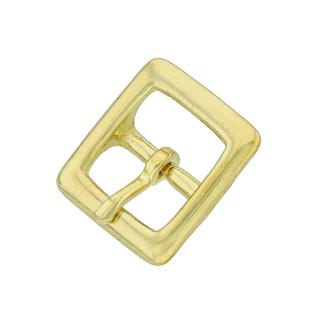
Inner width: 21 mm, Prong Ø: 3.6 mm, Material: brass sand casting, Weight: 17 g, Price per pc
● In stock
1,20 € / pc
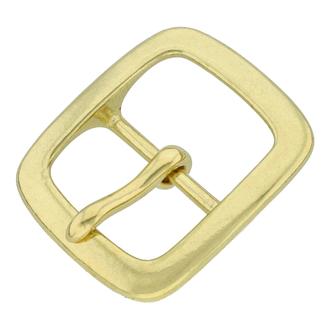
Inner width: 41 mm, Prong Ø: 6.4 mm, Material: brass sand casting, Weight: 105 g, Price per pc
● In stock
4,33 € / pc
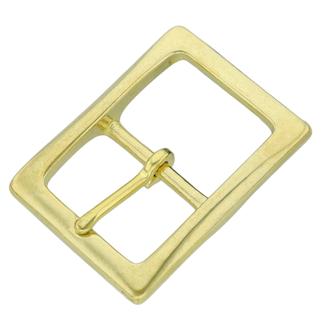
Inner width: 38 mm, Prong Ø: 4.4 mm, Material: brass sand casting, Weight: 85 g, Price per pc
● In stock
3,64 € / pc
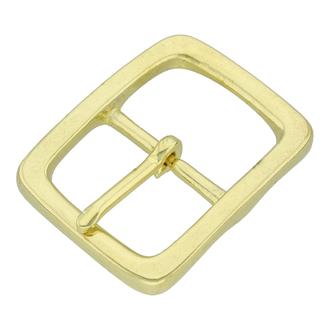
Inner width: 40 mm, Prong Ø: 5 mm, Material: brass sand casting, Weight: 90 g, Price per pc
● In stock
3,92 € / pc
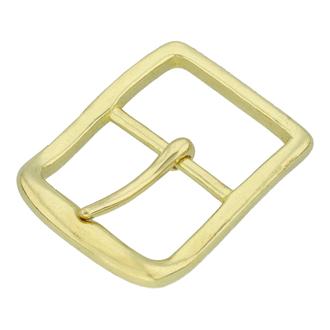
Inner width: 41 mm, Prong Ø: 4.2 mm, Material: brass sand casting, Weight: 80 g, Price per pc
● In stock
3,58 € / pc
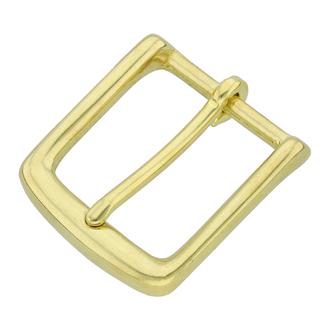
Inner width: 39 mm, Prong Ø: 5 mm, Material: brass sand casting, Weight: 66 g, Price per pc
● In stock
3,25 € / pc
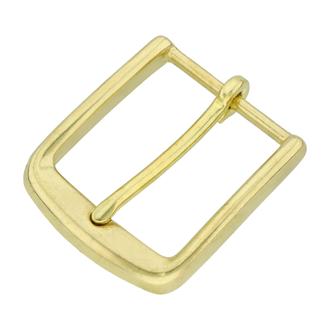
Inner width: 35–40 mm, Prong Ø: 4.4 mm, Material: brass sand casting, Weight: 43 g, Price per pc
● In stock
from 2,15 € / pc
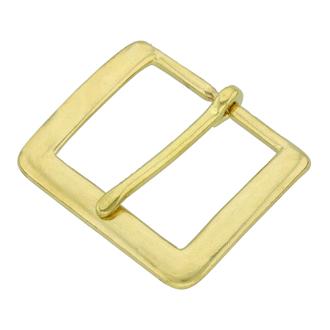
Inner width: 30–39 mm, Prong Ø: 4.2 mm, Material: brass sand casting, Weight: 30 g, Price per pc
● In stock
from 1,67 € / pc
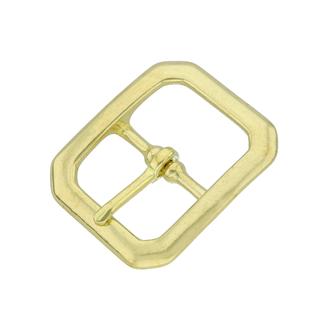
Inner width: 31 mm, Prong Ø: 4.2 mm, Material: brass sand casting, Weight: 35 g, Price per pc
● In stock
1,90 € / pc
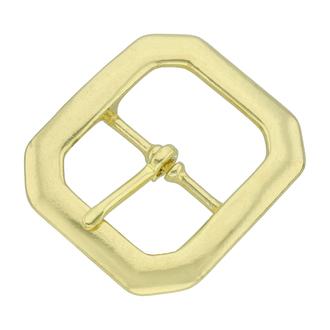
Inner width: 38 mm, Prong Ø: 4.5 mm, Material: brass sand casting, Weight: 65 g, Price per pc
● In stock
3,00 € / pc
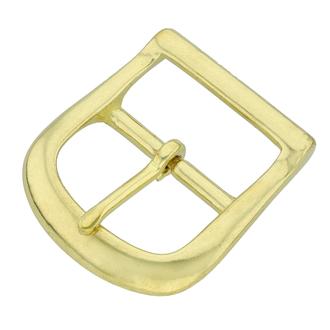
Inner width: 30–40 mm, Prong Ø: 4.2 mm, Material: brass sand casting, Weight: 40 g, Price per pc
● In stock
from 2,02 € / pc
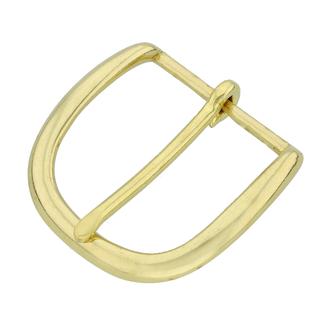
Inner width: 32–38 mm, Prong Ø: 4 mm, Material: brass sand casting, Weight: 26 g, Price per pc
● In stock
from 1,53 € / pc
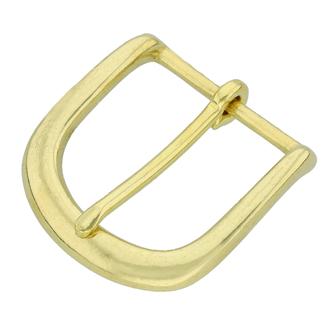
Inner width: 40 mm, Prong Ø: 4.5 mm, Material: brass sand casting, Weight: 47 g, Price per pc
● In stock
2,41 € / pc
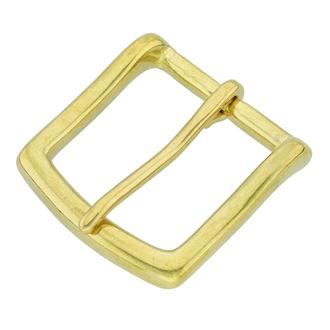
Inner width: 35–40 mm, Prong Ø: 3.5 mm, Material: brass sand casting, Weight: 50 g, Price per pc
● In stock
from 3,75 € / pc
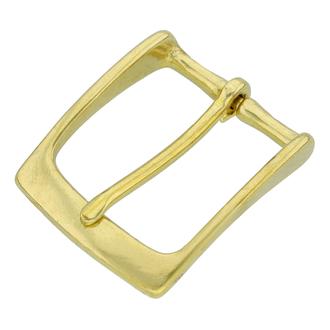
Inner width: 30–38 mm, Prong Ø: 4.8 mm, Material: brass sand casting, Weight: 26 g, Price per pc
● In stock
from 1,69 € / pc
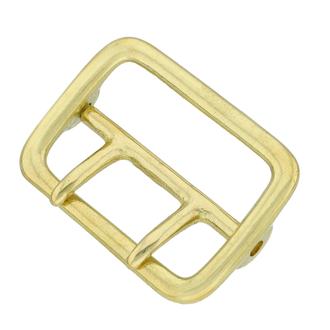
Inner width: 45 mm, Prong Ø: 4.2 mm, Material: brass sand casting, Weight: 38 g, Price per pc
● Out of stock
2,49 € / pc
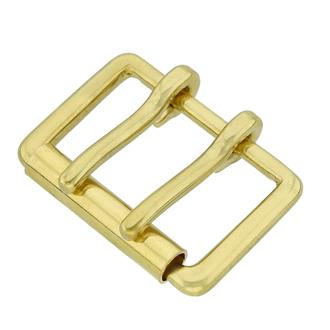
Inner width: 40 mm, Prong Ø: 5.5 mm, Material: brass sand casting, Weight: 40 g, Price per pc
● In stock
2,41 € / pc
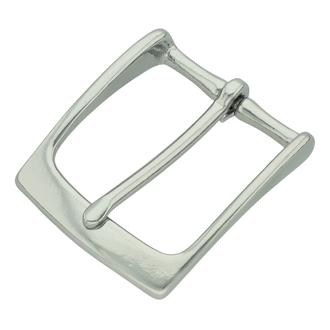
Inner width: 32–38 mm, Prong Ø: 4.8 mm, Material: brass sand casting, Weight: 26 g, Price per pc
● In stock
from 1,79 € / pc
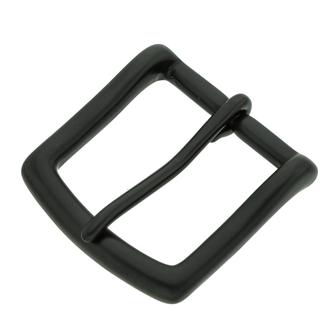
Inner width: 35–40 mm, Prong Ø: 3.5 mm, Material: brass sand casting, Weight: 50 g, Price per pc
● In stock
from 4,20 € / pc
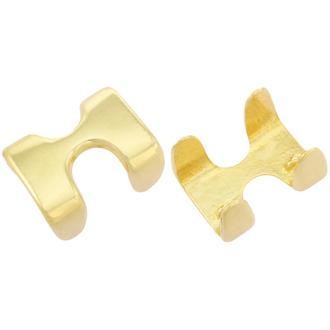
Brass rope clamp, is an ideal choice for joining 14–16 mm thick rope.
● In stock
from 2,43 € / pc
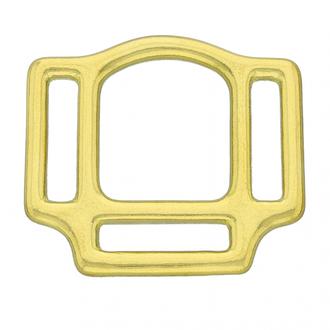
Inner width: 13, 16, 20, 26 mm, Material: brass sand casting, 10 pcs/pack, Price per pc
● In stock
from 0,852 € / pc
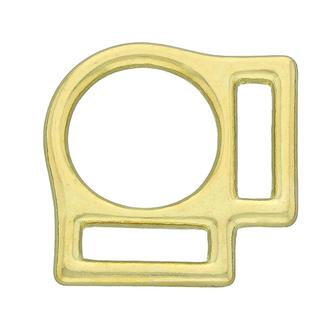
Inner width: 20, 26 mm, Material: brass sand casting, 10 pcs/pack, Price per pc
● In stock
from 1,31 € / pc
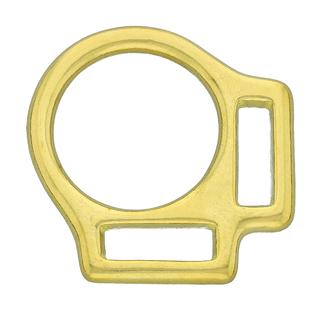
Inner width: 20 mm, Material: brass sand casting, 10 pcs/pack, Price per pc
● In stock
1,79 € / pc
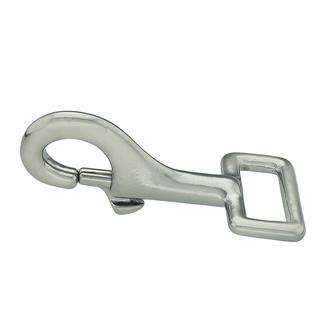
Eye width: 25 mm, Material: brass sand casting, Breaking load: up to 240 kg, 10 pcs/pack, Price per pc
● In stock
3,30 € / pc
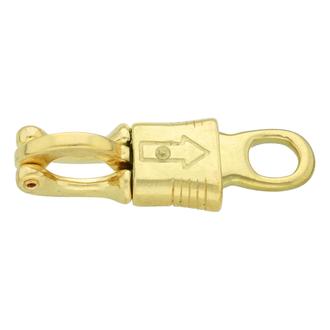
Eye width: 14 mm, Material: brass sand casting, Breaking load: up to 380 kg, 10 pcs/pack, Price per pc
● In stock
8,98 € / pc
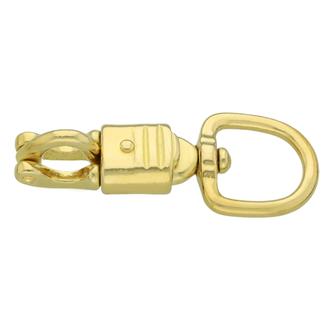
Eye width: 27 mm, Material: brass sand casting, Breaking load: up to 380 kg, 10 pcs/pack, Price per pc
● In stock
6,24 € / pc
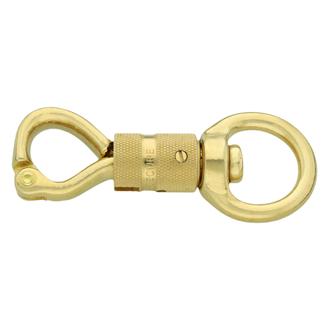
Eye width: 28 mm, Material: brass sand casting, Breaking load: up to 380 kg, 10 pcs/pack, Price per pc
● In stock
9,25 € / pc
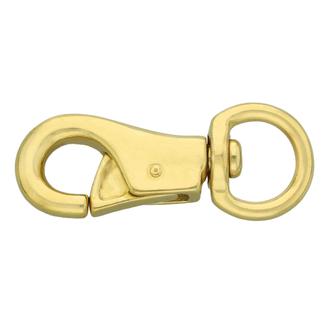
Eye width: 14 mm, Material: brass sand casting, Breaking load: up to 300 kg, 5 pcs/pack, Price per pc
● In stock
6,42 € / pc
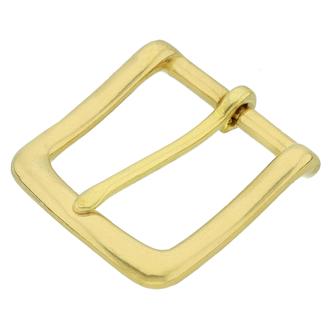
Inner width: 13–32 mm, Number of sizes: 5, Material: brass sand casting, 10 pcs/pack, Price per pc
● In stock
from 0,845 € / pc
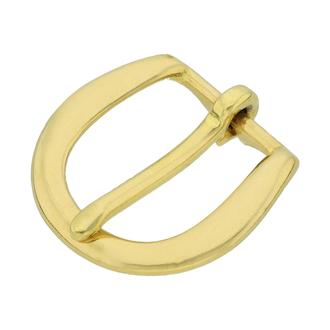
Inner width: 15–26 mm, Number of sizes: 4, Material: brass sand casting, 10 pcs/pack, Price per pc
● In stock
from 0,946 € / pc
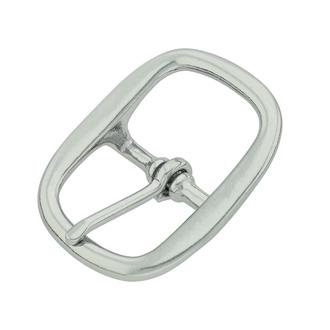
Inner width: 32 mm, Material: brass sand casting, 10 pcs/pack, Price per pc
● In stock
3,07 € / pc
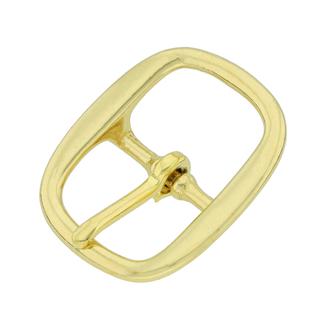
Inner width: 13–32 mm, Number of sizes: 5, Material: brass sand casting, 10 pcs/pack, Price per pc
● In stock
from 1,23 € / pc
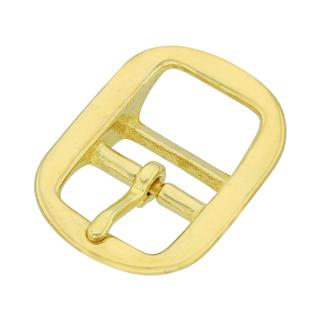
Inner width: 25–30 mm, Number of sizes: 2, Material: brass sand casting, 10 pcs/pack, Price per pc
● In stock
from 3,12 € / pc
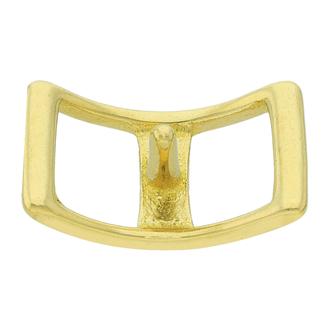
Inner width: 13–20 mm, Number of sizes: 3, Material: brass sand casting, 10 pcs/pack, Price per pc
● In stock
from 0,742 € / pc
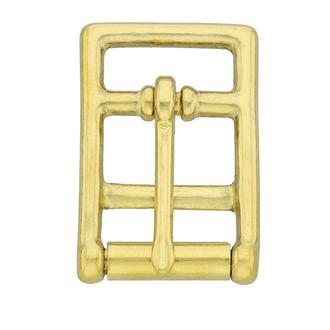
Inner width: 27 mm, Material: brass sand casting, 10 pcs/pack, Price per pc
● In stock
2,58 € / pc
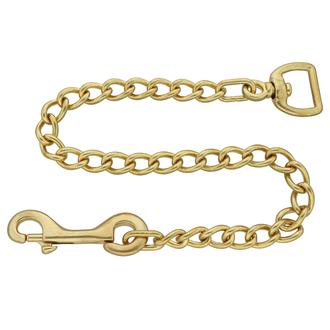
Precision in every link. This is a chain lead, 4 mm in diameter and 60 cm long.
● In stock
14,77 € / pc
An alloy of copper and zinc cast into a mould. Foundry brasses are different grades from brass wrought from bar, wire and sheet, and they commonly contain a little lead, which makes machining easier. Casting allows solid, intricately shaped pieces: rounded snap hooks, roller buckles, bells or embossing wheels.
For shapes that cannot be bent from wire or sensibly machined. A cast snap hook is solid and sits well in the hand. Brass contains no iron, so it does not form red rust. Some pieces are chrome-plated, and then the surface determines the look.
A casting is usually less strong and less ductile than wrought brass. For the heaviest loads, choose brass or stainless steel. For regular contact with salt water, go for marine bronze: ordinary brass gradually loses zinc in it and weakens.
It darkens to a patina, and that is not a defect. Metal polish restores the shine. Clear lacquer slows the darkening until it wears through where the hardware rubs against the webbing. After the sea or a chlorinated pool, rinse the hardware with fresh water. Long contact with warm, salty or chlorinated water leaches zinc from brass, and the surface then turns red.
Foundry brasses often contain a little lead. So do not let your dog chew the hardware, and wash your hands after polishing pieces without a finish.
Values describe the bare material without a surface finish; the finish page says what changes.
Price
Mid-range
A mid-range price class. Compare its specific durability, weight and finish with the less expensive alternatives before choosing.
Strength
Medium
Suitable for everyday products exposed to moderate loads. Repeated strong pulling may deform the material, so check the strength of the complete product for demanding uses.
Corrosion resistance
Outdoor exposure
Suitable for typical outdoor contact with rain and dew without a protective coating. More demanding environments, such as salt water or chemicals, require a different rating.
Water
Fresh-water immersion
Suitable for repeated wetting and immersion in fresh water. Any care requirements for the complete product still depend on its other materials and components.
| Weight | Heavy | The highest weight class in this comparison. Better suited to larger products and applications where low weight is not a priority. |
|---|---|---|
| Allergy risk | Low contact-reaction risk | The material has a low risk of causing a contact reaction in normal use. Individual sensitivity varies, and the selected surface finish and other components also matter. |
| Aging | Develops patina | Naturally changes colour tone and surface texture. This is not a defect; it is a property of the material. The patina develops gradually and may differ from one piece to another. |
| Maintenance | Occasional cleaning | Wipe occasionally with a dry or slightly damp cloth. No specialist products or fixed care schedule are required. |
