Inner width: 40 mm, Material: aluminium, Breaking load: up to 350 kg, 10 pcs/pack, Price per pc
● In stock
1,24 € / pc
Material
Aluminium is a light metal that handles rain and fresh water well. Salt and chlorides can pit the bare metal, so rinse it after the sea. Browse the hardware.
Prices include 21% VAT. More about VAT and customs fees.
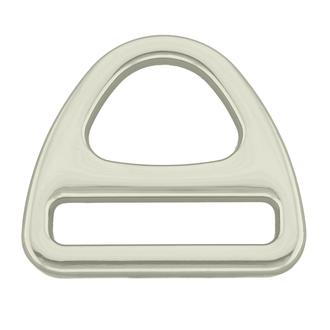
Inner width: 40 mm, Material: aluminium, Breaking load: up to 350 kg, 10 pcs/pack, Price per pc
● In stock
1,24 € / pc
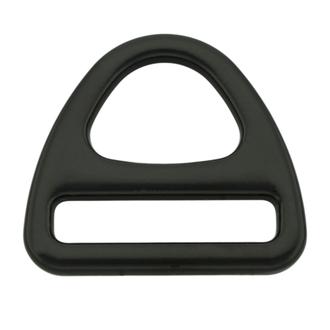
Inner width: 40 mm, Material: aluminium, Breaking load: up to 350 kg, 10 pcs/pack, Price per pc
● In stock
1,24 € / pc
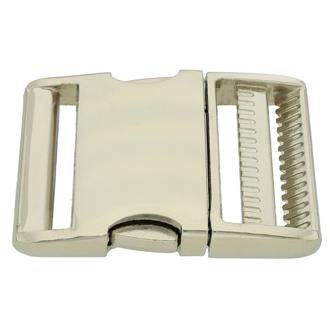
Width: 38–50 mm, Number of sizes: 2, Material: aluminium, Breaking load: up to 226 kg, Price per pc
● In stock
from 4,97 € / pc
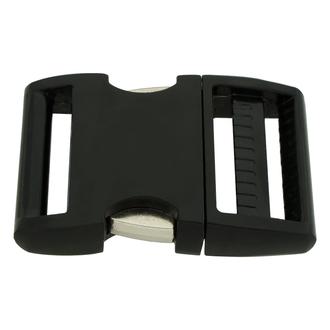
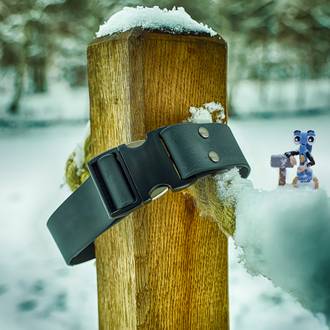
Width: 38 mm, Material: aluminium, Breaking load: up to 226 kg, Price per pc
● In stock
4,97 € / pc
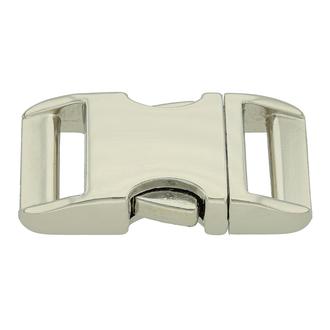
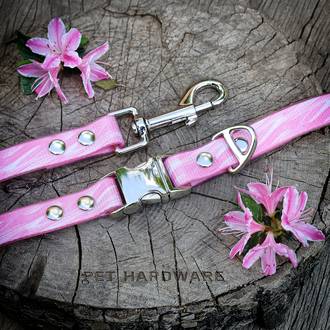
Width: 15–30 mm, Number of sizes: 4, Material: aluminium, Breaking load: up to 236 kg, 10 pcs/pack, Price per pc
● In stock
from 2,88 € / pc
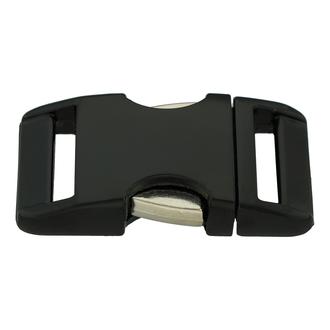
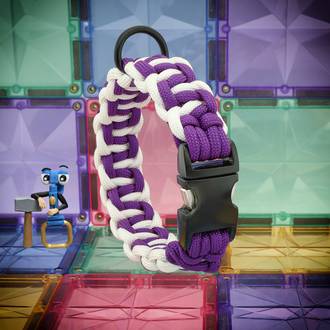
Width: 15–25 mm, Number of sizes: 3, Material: aluminium, Breaking load: up to 236 kg, 10 pcs/pack, Price per pc
● In stock
from 2,88 € / pc
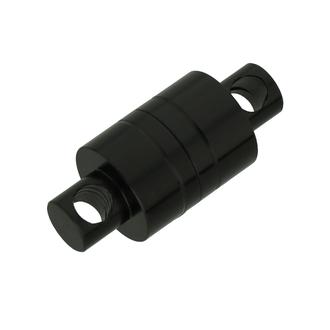
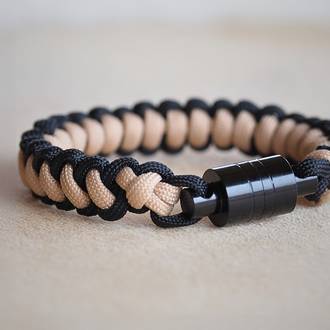
Inner width: 5 mm, Material: aluminium, 10 pcs/pack, Price per pc
● In stock
1,48 € / pc
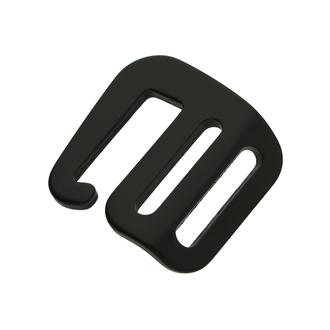
Using left handed G-hook you will create a strong, light and compact connection.
● In stock
from 0,697 € / pc
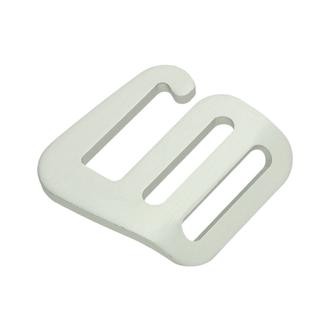
Using right handed G-hook you will create a strong, light and compact connection.
● In stock
from 0,697 € / pc
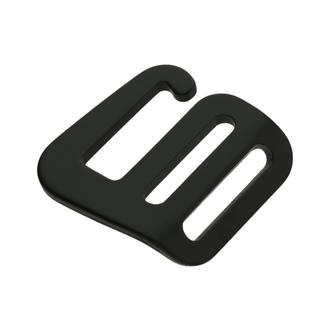
Using right handed G-hook you will create a strong, light and compact connection.
● In stock
from 0,697 € / pc
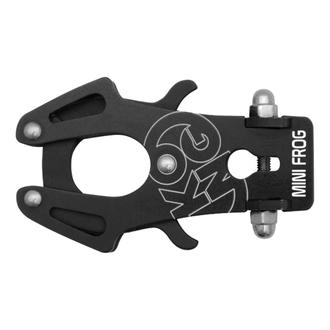
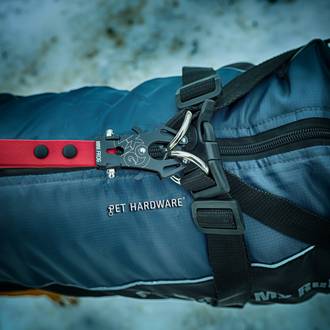
Eye width: 6 mm, Material: aluminium, Breaking load: up to 670 kg, Price per pc
● In stock
28,54 € / pc
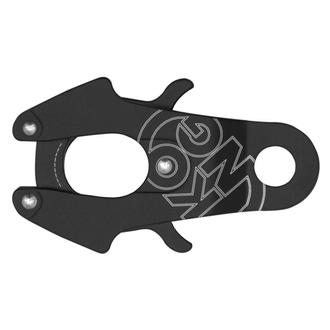
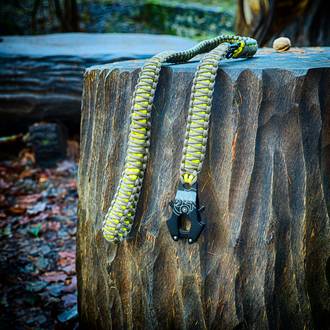
Eye width: 11.5 mm, Material: aluminium, Breaking load: up to 2500 kg, Price per pc
● In stock
25,56 € / pc
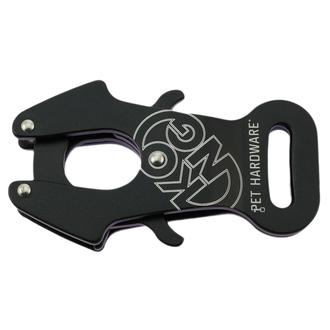
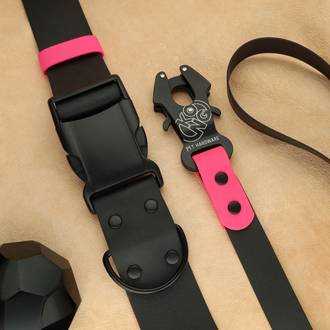
Eye width: 25 mm, Material: aluminium, Breaking load: up to 2440 kg, Price per pc
● In stock
44,31 € / pc
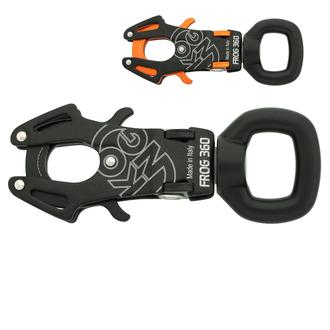
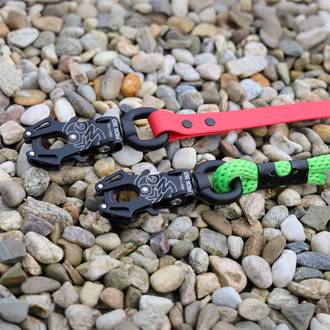
Eye width: 25 mm, Number of sizes: 2, Material: aluminium, Breaking load: up to 2300 kg, Price per pc
● In stock
from 55,67 € / pc
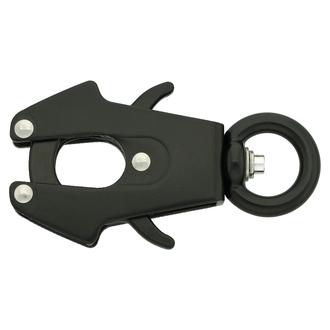
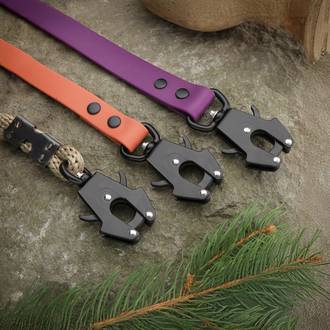
Eye width: 15 mm, Material: aluminium, Breaking load: up to 304 kg, Price per pc
● In stock
3,72 € / pc
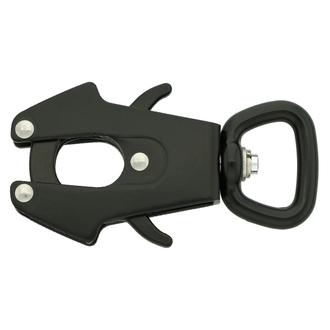
Eye width: 20–25 mm, Number of sizes: 2, Material: aluminium, Breaking load: up to 304 kg, Price per pc
● In stock
from 3,78 € / pc
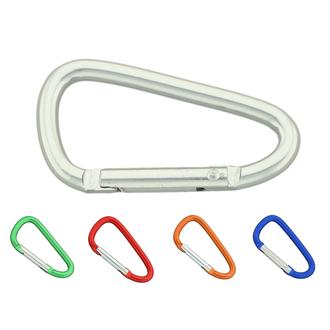
Length: 47 mm, Colors: 2, Material: aluminium, Breaking load: up to 15 kg, 10 pcs/pack, Price per pc
● In stock
from 0,221 € / pc
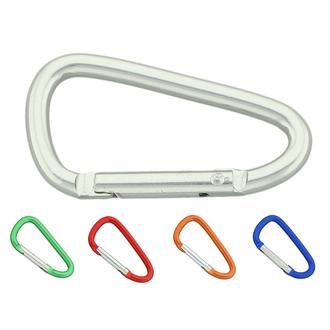
Length: 57 mm, Colors: 3, Material: aluminium, Breaking load: up to 20 kg, 10 pcs/pack, Price per pc
● In stock
from
0,225 € / pc 0,282 €
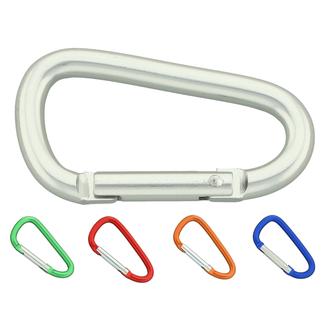
Length: 67 mm, Colors: 3, Material: aluminium, Breaking load: up to 20 kg, 10 pcs/pack, Price per pc
● In stock
from 0,363 € / pc
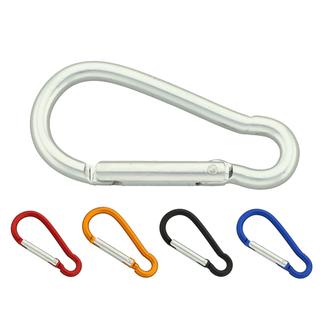
Length: 49 mm, Colors: 2, Material: aluminium, Breaking load: up to 5 kg, 10 pcs/pack, Price per pc
● In stock
from 0,120 € / pc
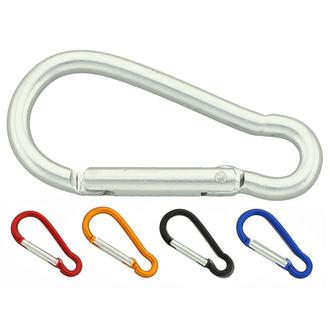
Length: 59 mm, Colors: 2, Material: aluminium, Breaking load: up to 15 kg, 10 pcs/pack, Price per pc
● In stock
from 0,194 € / pc
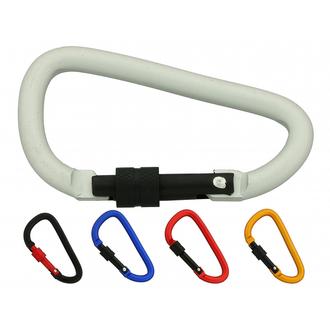
Length: 74 mm, Colors: 2, Material: aluminium, Breaking load: up to 50 kg, 10 pcs/pack, Price per pc
● In stock
from 0,597 € / pc
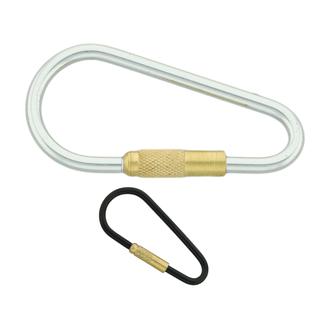
Length: 48 mm, Colors: 2, Material: aluminium, Breaking load: up to 20 kg, 10 pcs/pack, Price per pc
● In stock
from
0,437 € / pc 0,546 €
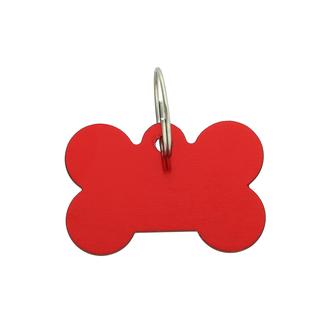
Aluminium dog bone ID tag: lightweight, durable and rustproof thanks to its anodized finish.
● In stock
from 0,419 € / pc
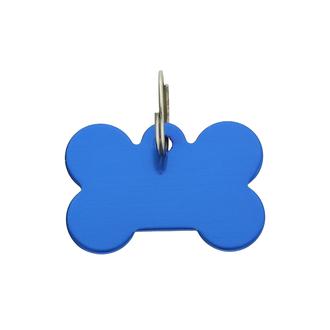
Aluminium dog bone ID tag: lightweight, durable and rustproof thanks to its anodized finish.
● In stock
from 0,419 € / pc
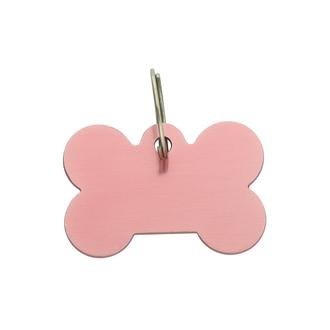
Aluminium dog bone ID tag: lightweight, durable and rustproof thanks to its anodized finish.
● In stock
from 0,419 € / pc
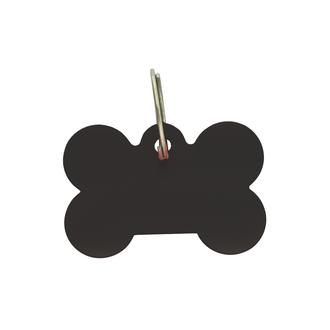
Aluminium dog bone ID tag: lightweight, durable and rustproof thanks to its anodized finish.
● In stock
from 0,419 € / pc
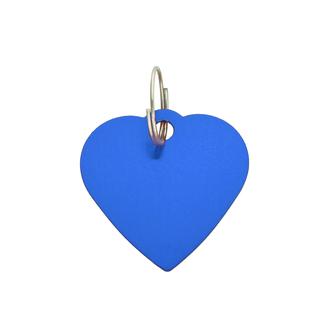
Heart-shaped aluminium ID tag: lightweight, durable and rustproof thanks to its anodized finish.
● In stock
from
0,334 € / pc 0,419 €
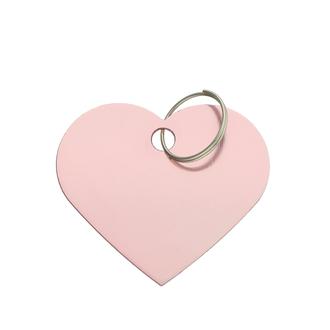
Heart-shaped aluminium ID tag: lightweight, durable and rustproof thanks to its anodized finish.
● In stock
0,477 € / pc
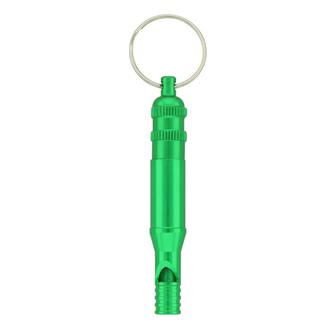
Aluminium dog whistle, range 400 m, length 75 mm. Anodised. This practical whistle produces high-frequency tones. Whistles are a great help in dog training.
● In stock
0,657 € / pc
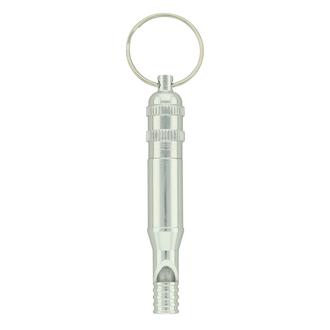
Aluminium dog whistle, range 400 m, length 75 mm. Anodised. This practical whistle produces high-frequency tones. Whistles are a great help in dog training.
● In stock
0,657 € / pc
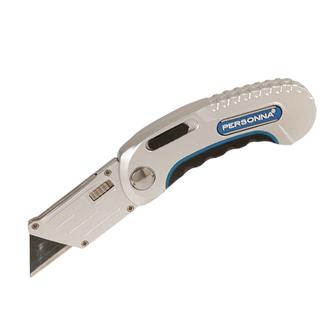
Aluminium knife with ergonomic handle for comfortable and safe cutting of thick hides and leathers.
● In stock
24,98 € / pc
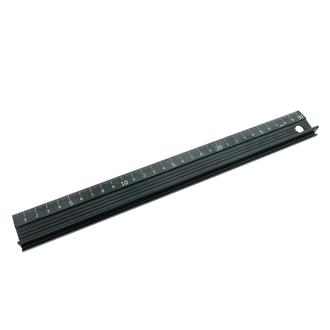
You’re standing at your workbench, scalpel in hand, plan in your head – a precise cut and no nicks on your fingers.
● In stock
from 7,67 € / pc
A light metal that forms a thin oxide layer in air; after a scratch, the layer quickly renews itself. Hardware is made from aluminium alloys, as pure aluminium would be too soft. This page lists pieces for which the manufacturer does not state the specific alloy, so both the alloy and the production method vary from product to product.
Where low weight is decisive: keychain carabiners and leash snap hooks, G-hooks, triangle rings, buckles, dog tags and whistles. A large part of the range is anodised or has a matte black finish; anodising also allows colour variants. Load capacity depends on the alloy and the design, so go by the figure given for the specific product.
For regular contact with sea water, choose 316 stainless steel: chlorides can pit bare aluminium. If you are looking for a documented high-strength alloy, see 7075 alloy.
Bare aluminium gradually loses its shine. Where it touches steel, stainless steel or brass parts, such as springs and pins, and stays wet, especially with salt, it can corrode faster at the point of contact. After sea water, rinse it with fresh water and let it dry.
After steel, aluminium is the second most used metal in the world. According to the International Aluminium Institute, recycling saves about 95% of the energy needed to produce new aluminium.
Values describe the bare material without a surface finish; the finish page says what changes.
Price
Mid-range
A mid-range price class. Compare its specific durability, weight and finish with the less expensive alternatives before choosing.
Strength
Medium
Suitable for everyday products exposed to moderate loads. Repeated strong pulling may deform the material, so check the strength of the complete product for demanding uses.
Corrosion resistance
Outdoor exposure
Suitable for typical outdoor contact with rain and dew without a protective coating. More demanding environments, such as salt water or chemicals, require a different rating.
Water
Fresh-water immersion
Suitable for repeated wetting and immersion in fresh water. Any care requirements for the complete product still depend on its other materials and components.
| Weight | Very light | The lowest weight class in this comparison. Useful for small products and accessories where every gram matters. |
|---|---|---|
| Allergy risk | Low contact-reaction risk | The material has a low risk of causing a contact reaction in normal use. Individual sensitivity varies, and the selected surface finish and other components also matter. |
| Aging | Minor changes | Over time slight dulling or minor surface changes may occur. This does not affect function, but is visible on closer inspection. |
| Maintenance | No special care | No special care is required. Rinse with water or wipe with a cloth when cleaning is needed. |