Width: 25–50 mm, Number of sizes: 6, Material: aluminium alloy (7075), Breaking load: up to 900 kg, Price per pc
● In stock
from 18,33 € / pc
Material
7075 is one of the strongest aluminium alloys while keeping weight low. Without surface protection, its corrosion resistance is limited. Browse the variants.
Prices include 21% VAT. More about VAT and customs fees.
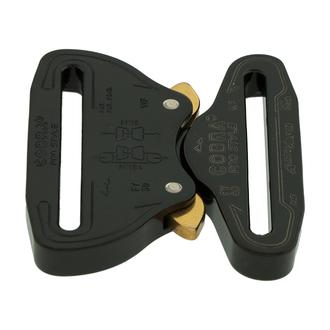
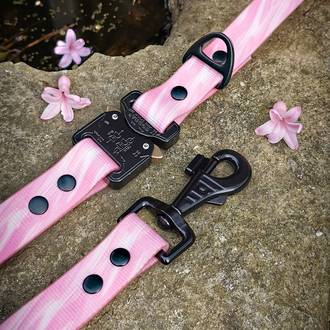
Width: 25–50 mm, Number of sizes: 6, Material: aluminium alloy (7075), Breaking load: up to 900 kg, Price per pc
● In stock
from 18,33 € / pc
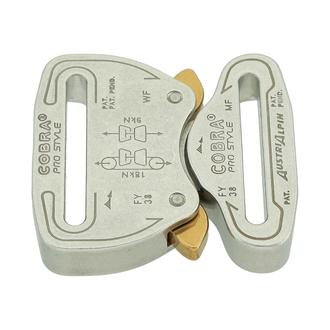
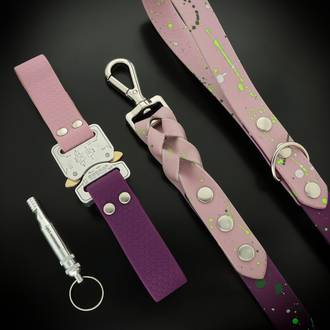
Width: 25–50 mm, Number of sizes: 3, Material: aluminium alloy (7075), Breaking load: up to 900 kg, Price per pc
● In stock
from 18,33 € / pc
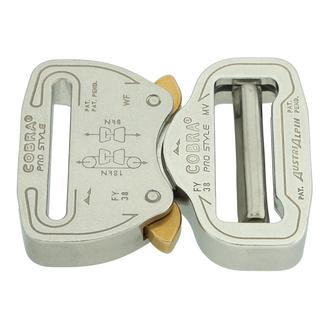
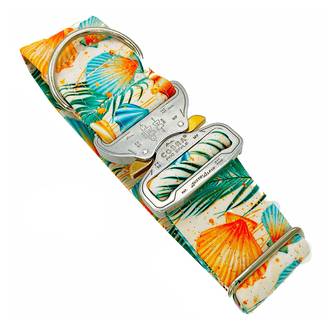
Width: 38 mm, Material: aluminium alloy (7075), Breaking load: up to 900 kg, Price per pc
● In stock
21,05 € / pc
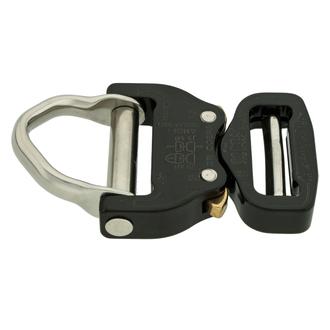
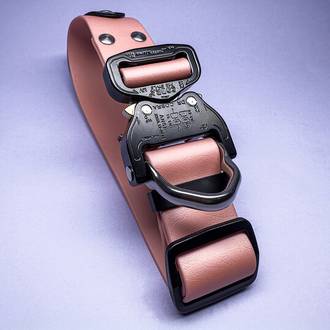
Width: 25–50 mm, Number of sizes: 3, Material: aluminium alloy (7075), Breaking load: up to 1500 kg, Price per pc
● In stock
from 28,35 € / pc
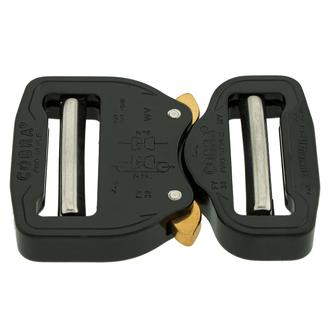
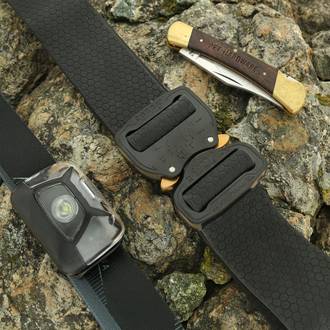
Width: 38 mm, Material: aluminium alloy (7075), Breaking load: up to 900 kg, Price per pc
● In stock
23,27 € / pc
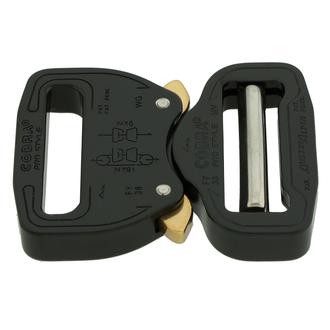
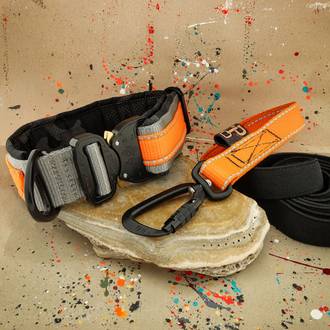
Width: 25–50 mm, Number of sizes: 6, Material: aluminium alloy (7075), Breaking load: up to 900 kg, Price per pc
● In stock
from 21,05 € / pc
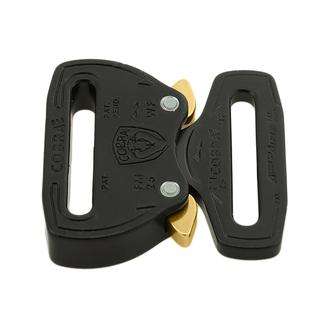
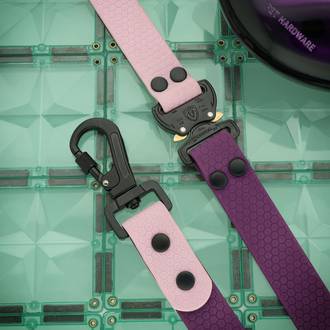
Width: 20–25 mm, Number of sizes: 2, Material: aluminium alloy (7075), Breaking load: up to 204 kg, Price per pc
● In stock
from 13,46 € / pc
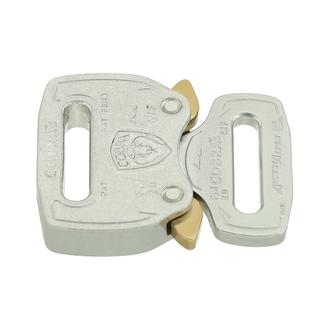
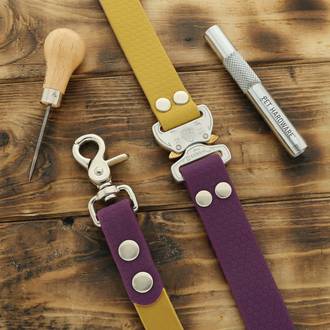
Width: 20–25 mm, Number of sizes: 2, Material: aluminium alloy (7075), Breaking load: up to 204 kg, Price per pc
● In stock
from 13,46 € / pc
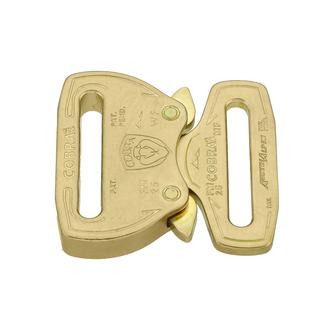
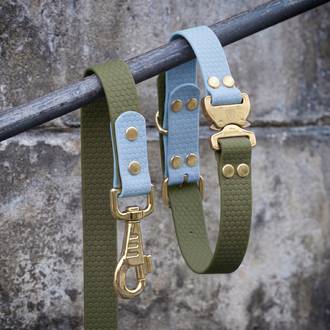
Width: 20–25 mm, Number of sizes: 2, Material: aluminium alloy (7075), Breaking load: up to 204 kg, Price per pc
● In stock
from 16,87 € / pc
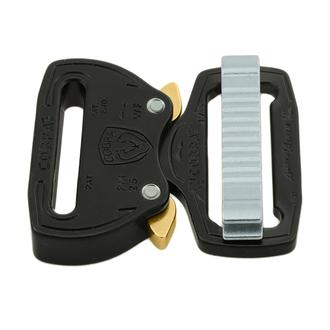
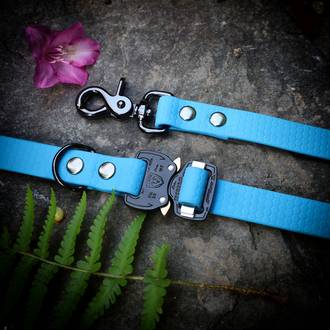
Width: 20–38 mm, Number of sizes: 3, Material: aluminium alloy (7075), Breaking load: up to 204 kg, Price per pc
● In stock
from 15,11 € / pc
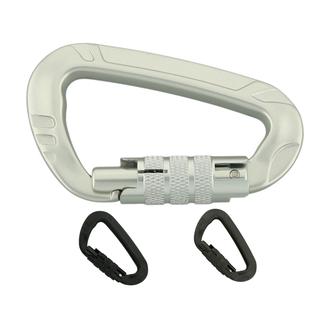
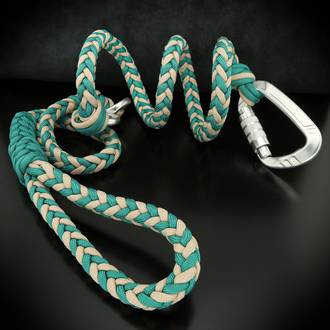
Length: 78 mm, Eye width: 0 mm, Colors: 2, Breaking load: up to 400 kg, 10 pcs/pack, Price per pc
● In stock
from 3,78 € / pc
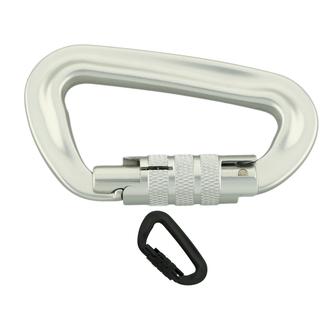
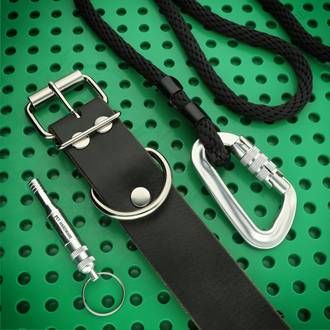
Length: 80 mm, Eye width: 0 mm, Colors: 2, Breaking load: up to 400 kg, 10 pcs/pack, Price per pc
● In stock
from 3,78 € / pc
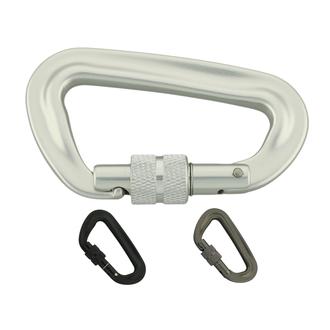
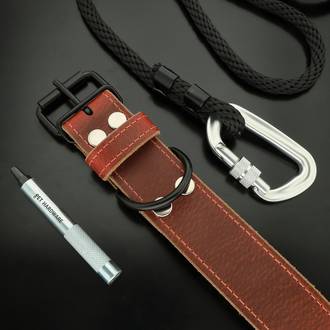
Length: 80 mm, Eye width: 0 mm, Colors: 2, Breaking load: up to 400 kg, 10 pcs/pack, Price per pc
● In stock
from 3,07 € / pc
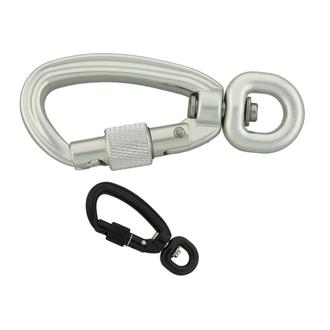
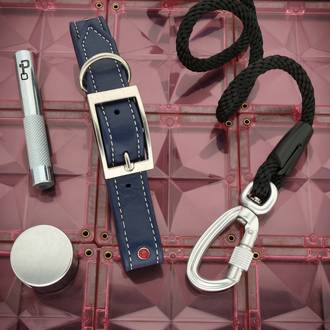
Length: 66 mm, Eye width: 8 mm, Colors: 2, Breaking load: up to 490 kg, 10 pcs/pack, Price per pc
● In stock
from 3,98 € / pc
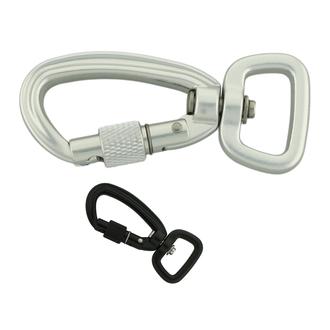
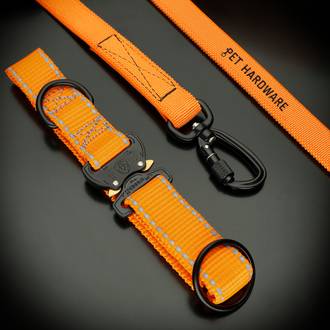
Length: 69 mm, Eye width: 20 mm, Colors: 2, Breaking load: up to 490 kg, 10 pcs/pack, Price per pc
● In stock
from 3,98 € / pc
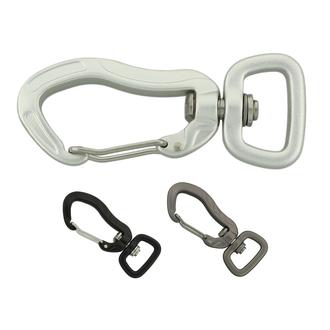
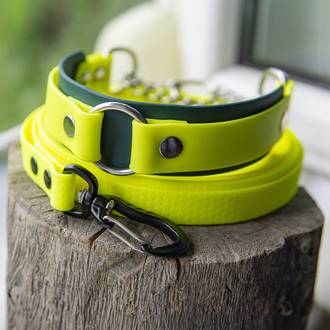
Length: 71 mm, Eye width: 20 mm, Colors: 3, Breaking load: up to 550 kg, 10 pcs/pack, Price per pc
● In stock
from 3,16 € / pc
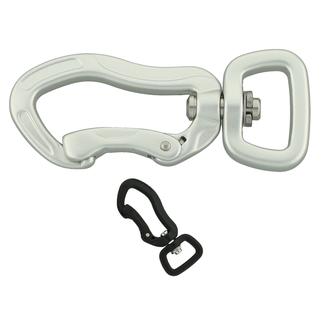
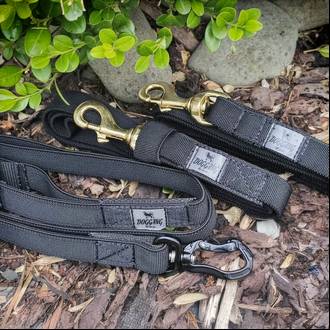
Length: 71 mm, Eye width: 20 mm, Colors: 2, Breaking load: up to 400 kg, 10 pcs/pack, Price per pc
● In stock
from 4,20 € / pc
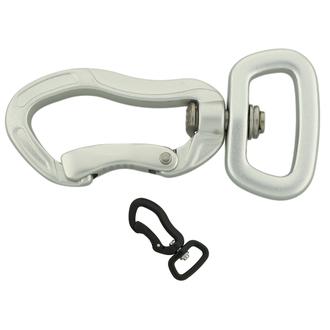
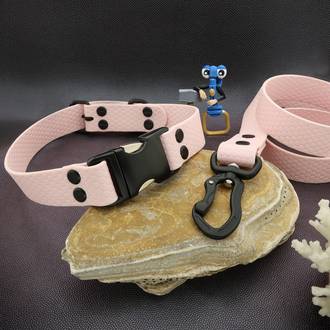
Length: 71 mm, Eye width: 25 mm, Colors: 2, Breaking load: up to 400 kg, 10 pcs/pack, Price per pc
● In stock
from 4,20 € / pc
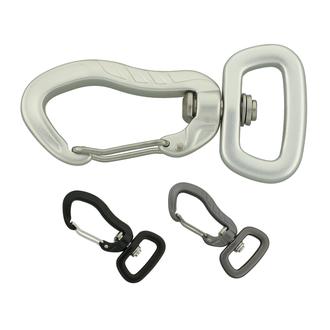
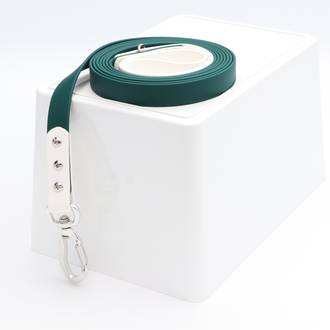
Length: 72 mm, Eye width: 25 mm, Colors: 2, Breaking load: up to 400 kg, 10 pcs/pack, Price per pc
● In stock
from 3,16 € / pc
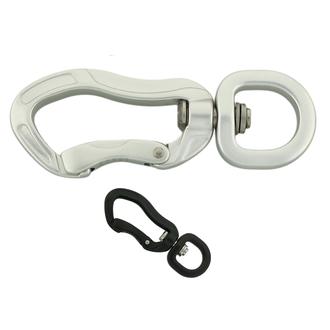
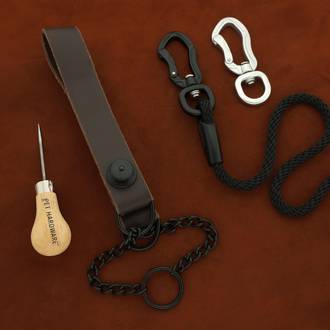
Length: 74 mm, Eye width: 16 mm, Colors: 2, Breaking load: up to 400 kg, 10 pcs/pack, Price per pc
● In stock
from 4,20 € / pc
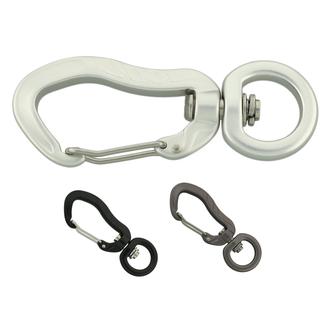
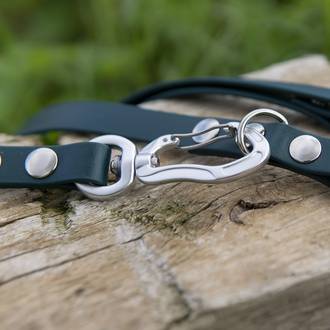
Length: 75 mm, Eye width: 16 mm, Colors: 3, Breaking load: up to 400 kg, 10 pcs/pack, Price per pc
● In stock
from 3,16 € / pc
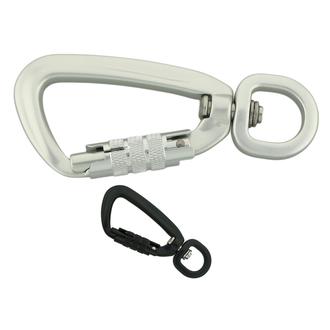
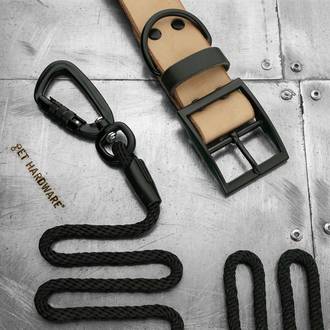
Length: 86 mm, Eye width: 16 mm, Colors: 3, Breaking load: up to 400 kg, 10 pcs/pack, Price per pc
● In stock
from 4,77 € / pc
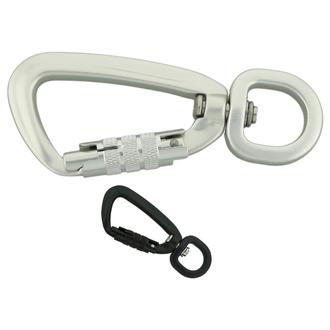
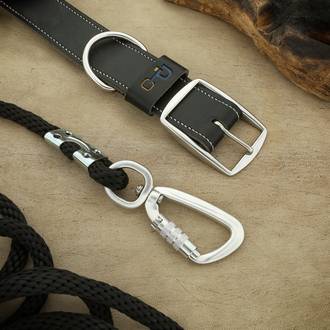
Length: 86 mm, Eye width: 20 mm, Colors: 3, Breaking load: up to 400 kg, 10 pcs/pack, Price per pc
● In stock
from 4,77 € / pc
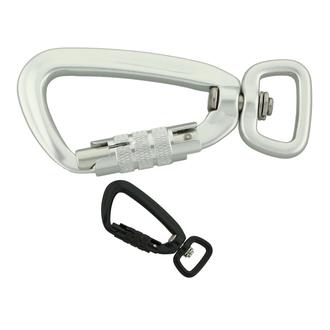

Length: 86 mm, Eye width: 20 mm, Colors: 3, Breaking load: up to 400 kg, 10 pcs/pack, Price per pc
● In stock
from 4,49 € / pc
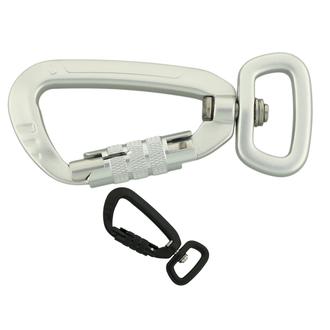
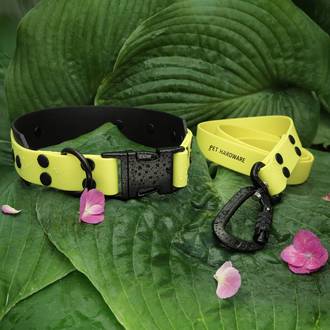
Length: 86 mm, Eye width: 25 mm, Colors: 3, Breaking load: up to 400 kg, 10 pcs/pack, Price per pc
● In stock
from 4,54 € / pc
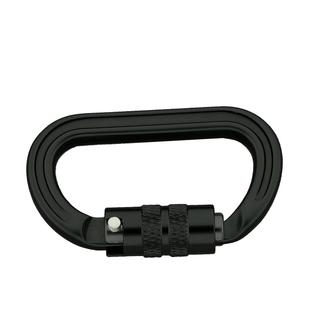
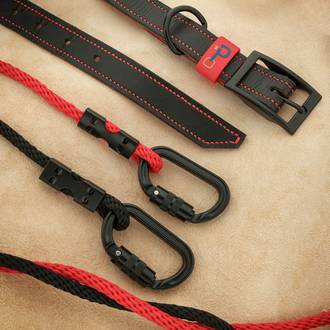
Length: 61 mm, Eye width: 0 mm, Breaking load: up to 490 kg, 10 pcs/pack, Price per pc
● In stock
3,23 € / pc
An aluminium alloy with zinc, magnesium and copper. It is one of the strongest aluminium alloys and yet has roughly a third of the density of steel; the aerospace industry makes highly stressed parts from it. The corrosion resistance of the alloy itself is only moderate.
For snap hooks and for Cobra side release buckles from AustriAlpin (FM and PRO STYLE series), where low weight matters as much as strength. Most pieces are anodised; some side release buckles have a black, polished or brass-plated finish, and each product states which.
On a limited budget, look at zinc die casting; for permanent exposure to salt water, at 316 stainless steel.
Bare 7075 slowly dulls and, with repeated moisture, sweat or salt, can corrode where the finish wears through. After the sea or a muddy walk, rinse the hardware with fresh water and let it dry; sand and salt can clog the buckle mechanism.
Where aluminium touches another metal in damp or salty conditions, for example a stainless spring or a brass part, galvanic corrosion can occur, and it attacks the aluminium. That is why rinsing after the sea makes sense even for anodised pieces.
Values describe the bare material without a surface finish; the finish page says what changes.
Price
Highest
The highest price class in this comparison. Choose it when the listed material properties or manufacturing method are important to the finished product.
Strength
Very high
The highest strength class in this comparison. Intended for working gear and other applications exposed to high loads; always match the complete product to its intended use.
Corrosion resistance
Limited
Suitable for dry conditions. Repeated contact with moisture can gradually cause oxidation or other surface changes, so wet environments require additional protection.
Water
Occasional fresh water
Tolerates occasional contact with fresh water, such as rain, puddles or brief immersion. Dry it afterwards to limit gradual changes to the material.
| Weight | Very light | The lowest weight class in this comparison. Useful for small products and accessories where every gram matters. |
|---|---|---|
| Allergy risk | Low contact-reaction risk | The material has a low risk of causing a contact reaction in normal use. Individual sensitivity varies, and the selected surface finish and other components also matter. |
| Aging | Minor changes | Over time slight dulling or minor surface changes may occur. This does not affect function, but is visible on closer inspection. |
| Maintenance | Occasional cleaning | Wipe occasionally with a dry or slightly damp cloth. No specialist products or fixed care schedule are required. |