Width: 15–25 mm, Material: polypropylene (flexible), Breaking load up to 500 kg, 25–30 m/pack
● In stock
from 1.13 € / m from 25 m
Material
Polypropylene is a light, affordable webbing material in many colours, patterns and reflective stripes. It does not absorb water and dries quickly.
Prices include 21% VAT. More about VAT and customs fees.
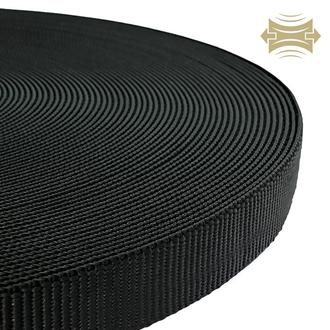
Width: 15–25 mm, Material: polypropylene (flexible), Breaking load up to 500 kg, 25–30 m/pack
● In stock
from 1.13 € / m from 25 m
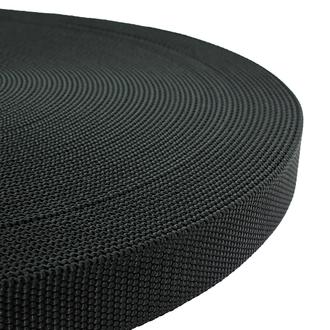
Width: 10–50 mm, Material: polypropylene (standard), Breaking load up to 2000 kg, 50 m/pack
● In stock
from 0.161 € / m
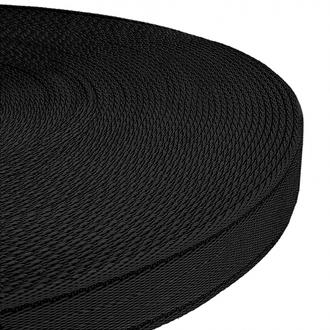
Width: 20–25 mm, Material: polypropylene (stitched), Breaking load up to 660 kg, 50 m/pack
● In stock
from 0.489 € / m
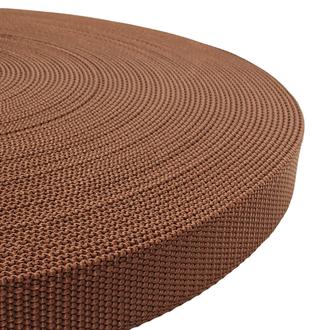
Width: 10–25 mm, Material: polypropylene (standard), Breaking load up to 500 kg, 50 m/pack
● In stock
from 0.175 € / m
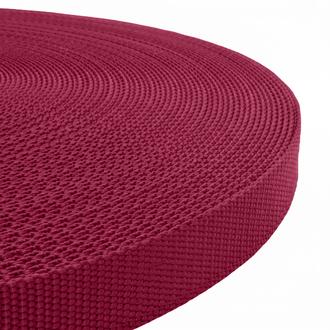
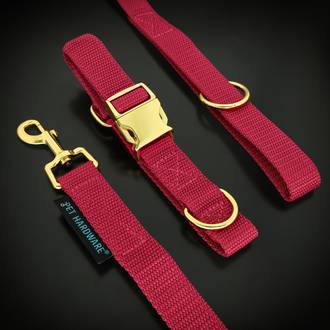
Width: 20–25 mm, Material: polypropylene (standard), Breaking load up to 500 kg, 50 m/pack
● In stock
from 0.350 € / m
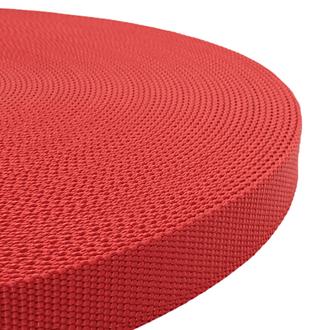
Width: 10–50 mm, Material: polypropylene (standard), Breaking load up to 2000 kg, 50 m/pack
● In stock
from 0.162 € / m
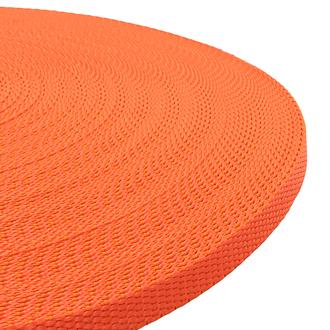
Width: 10 mm, Material: polypropylene (standard), Breaking load up to 250 kg, 50 m/pack
● In stock
0.175 € / m
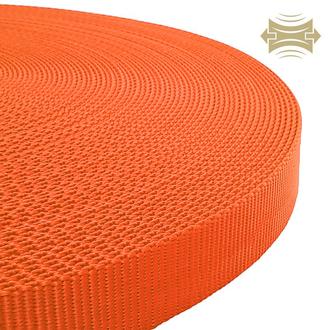
Width: 15–25 mm, Material: polypropylene (flexible), Breaking load up to 500 kg, 25–30 m/pack
● In stock
from 1.13 € / m from 25 m
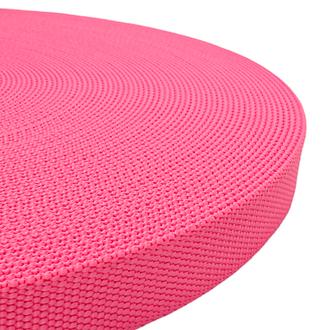
Width: 10–25 mm, Material: polypropylene (standard), Breaking load up to 500 kg, 50 m/pack
● In stock
from 0.175 € / m
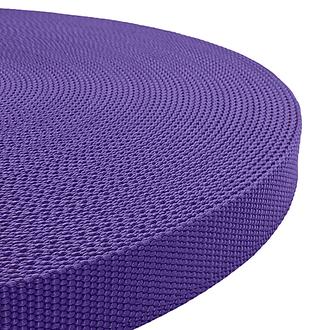
Width: 10–25 mm, Material: polypropylene (standard), Breaking load up to 500 kg, 50 m/pack
● In stock
from 0.175 € / m
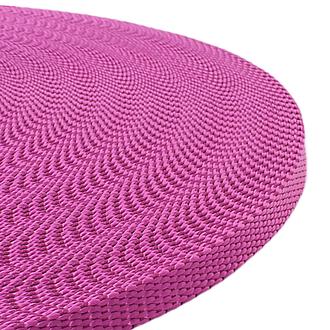
Width: 10 mm, Material: polypropylene (standard), Breaking load up to 250 kg, 50 m/pack
● In stock
0.175 € / m
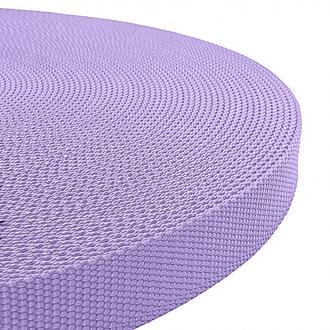
Width: 10–25 mm, Material: polypropylene (standard), Breaking load up to 500 kg, 50 m/pack
● In stock
from 0.175 € / m
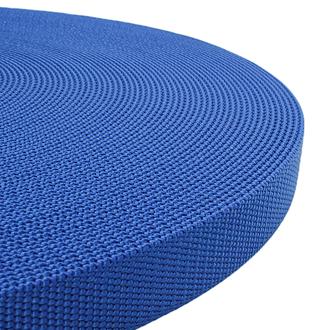
Width: 10–25 mm, Material: polypropylene (standard), Breaking load up to 500 kg, 50 m/pack
● In stock
from 0.175 € / m
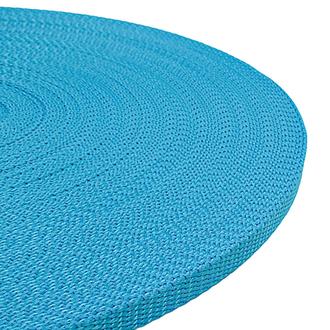
Width: 10–40 mm, Material: polypropylene (standard), Breaking load up to 1600 kg, 50 m/pack
● In stock
from 0.175 € / m
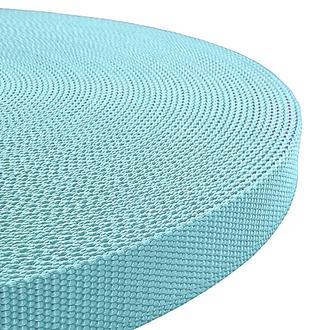
Width: 10–25 mm, Material: polypropylene (standard), Breaking load up to 500 kg, 50 m/pack
● In stock
from 0.175 € / m
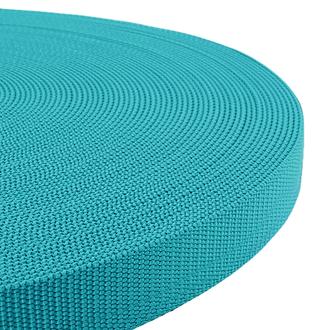
Width: 10–25 mm, Material: polypropylene (standard), Breaking load up to 500 kg, 50 m/pack
● In stock
from 0.175 € / m
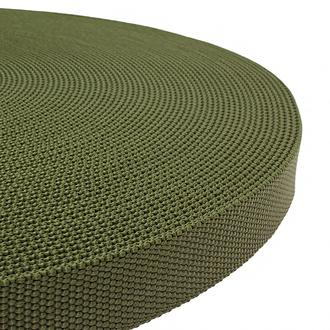
Width: 10–25 mm, Material: polypropylene (standard), Breaking load up to 500 kg, 50 m/pack
● In stock
from 0.175 € / m
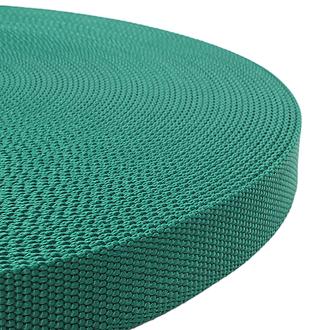
Width: 10–25 mm, Material: polypropylene (standard), Breaking load up to 500 kg, 50 m/pack
● In stock
from 0.175 € / m
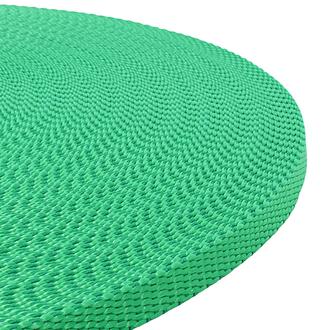
Width: 10 mm, Material: polypropylene (standard), Breaking load up to 250 kg, 50 m/pack
● In stock
0.175 € / m
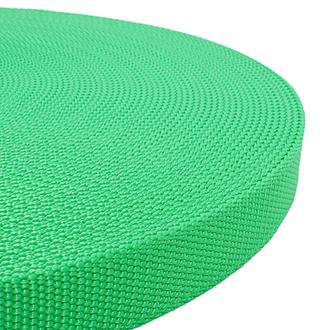
Width: 15–25 mm, Material: polypropylene (standard), Breaking load up to 500 kg, 50 m/pack
● In stock
from 0.295 € / m
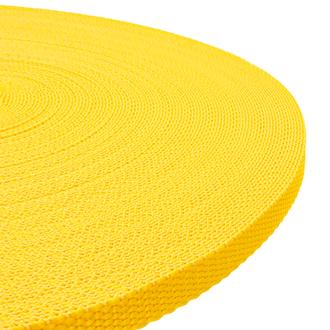
Width: 10 mm, Material: polypropylene (standard), Breaking load up to 250 kg, 50 m/pack
● In stock
0.175 € / m
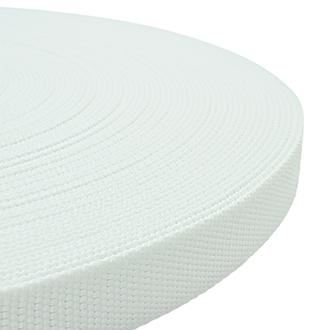
Width: 10–25 mm, Material: polypropylene (standard), Breaking load up to 500 kg, 50 m/pack
● In stock
from 0.175 € / m
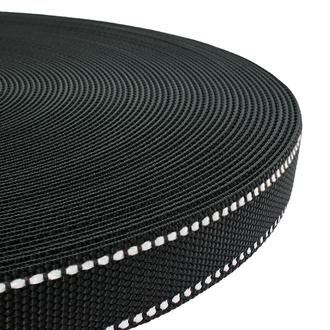
Width: 15–25 mm, Material: polypropylene, Breaking load up to 500 kg, 50 m/pack
● In stock
from 1.20 € / m
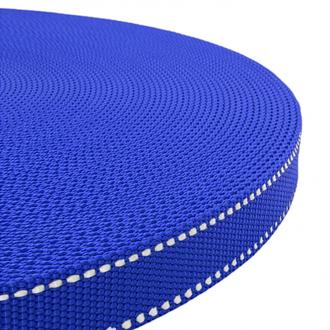
Width: 25 mm, Material: polypropylene, Breaking load up to 500 kg, 50 m/pack
● In stock
1.064 € / m 1.330 €
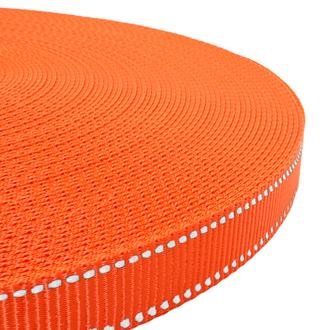
Width: 20–25 mm, Material: polypropylene, Breaking load up to 500 kg, 50 m/pack
● In stock
from 1.26 € / m
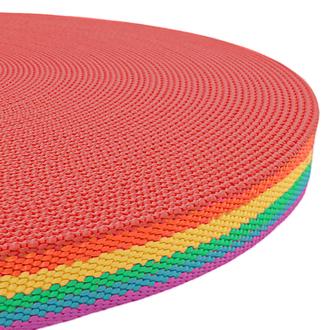
Width: 25 mm, Material: polypropylene, Breaking load up to 250 kg, 50 m/pack
● In stock
0.166 € / m
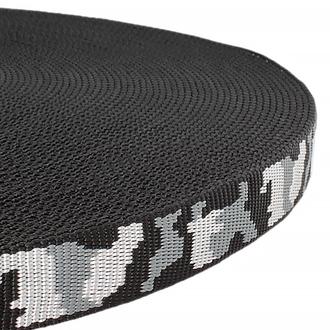
Width: 15–50 mm, Material: polypropylene, Breaking load up to 1750 kg, 50 m/pack
● In stock
from 0.397 € / m
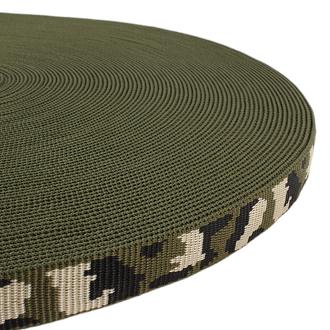
Width: 15–50 mm, Material: polypropylene, Breaking load up to 1750 kg, 50 m/pack
● In stock
from 0.397 € / m
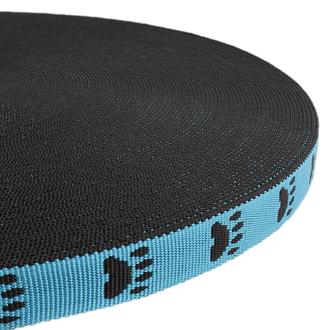
Width: 10 mm, Material: polypropylene, Breaking load up to 250 kg, 50 m/pack
● In stock
0.241 € / m
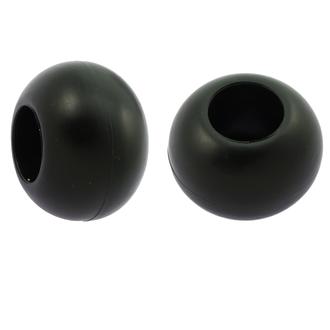
Length: 31 mm, Eye width: 14 mm, polypropylene, 10 pcs/pack
● In stock
0.408 € / pc from 50 pcs
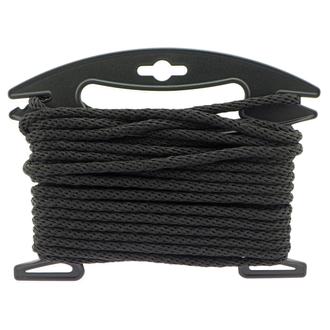
Diameter: 6–16 mm, Material: polypropylene, Minimum quantity: 10 m
● In stock
from 0.198 € / m from 120 m
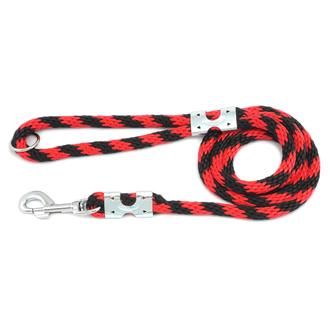
Rope dog leash 150 cm long, made of polypropylene rope with a diameter of 6–14 mm, with a metal clamp.
● In stock
from 3.06 € / pc 3.83 €
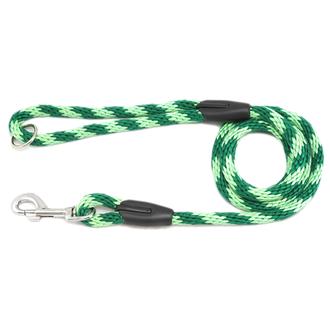
Rope dog leash 150 cm long, made of polypropylene rope with a diameter of 12–14 mm, with a plastic cover clamp.
● In stock
from 4.22 € / pc
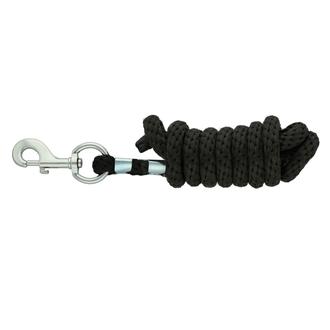
Braided polypropylene lead rope for horses, 2 m long, with a swivel snap hook. Black.
● In stock
5.30 € / pc
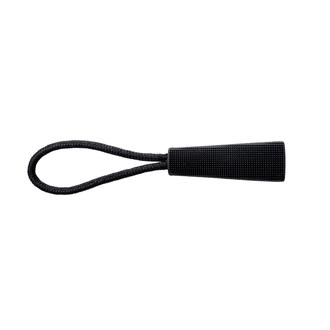
This 68 mm zip pull with a cord speeds up and cuts the cost of final assembly for sports gear.
● In stock
0.165 € / pc from 50 pcs
A synthetic fibre and the lightest of the common plastics: with a density of about 0.9 g/cm³, it is lighter than water. We sell it mainly as woven webbing and braided rope, and a few small moulded parts are made from it too.
We have polypropylene webbing in many colours, with jacquard patterns and with woven-in reflective stripes, at an affordable price. The fibre does not absorb water, so wet webbing stays light and dries quickly.
Polyester webbing of the same width is considerably stronger and handles sun much better. For strong dogs, working gear and products that spend a lot of time outdoors, choose polyester. For mud and a wipeable surface, PVC-coated polyester is the better fit. Small moulded polypropylene parts can become brittle in frost.
Neither salt water nor mud harms it; just rinse it with fresh water and let it dry. Its weak point is the sun: UV radiation breaks down the polymer, colours fade and the fibres gradually lose strength and turn brittle. Store products out of direct sunlight. Replace webbing that has clearly faded or has become stiff or brittle.
Polypropylene melts at around 160–170 °C, much lower than polyester. Cut ends can therefore be sealed with a hot knife or hot air, but keep the webbing away from radiators, hot tumble dryers and irons. Polypropylene webbing and rope float on their own, but the metal hardware on a finished leash can pull them under the surface.
Values describe the bare material without a surface finish; the finish page says what changes.
Price
Lowest
The lowest price class in this comparison. Suited to larger production runs and projects where unit cost is a priority.
Strength
Medium
Suitable for everyday products exposed to moderate loads. Repeated strong pulling may deform the material, so check the strength of the complete product for demanding uses.
Water
Seawater
Suitable for regular contact with seawater. Rinse the complete product after use if its other materials or components require it.
Weight
Very light
The lowest weight class in this comparison. Useful for small products and accessories where every gram matters.
| Corrosion resistance | Does not corrode | |
|---|---|---|
| Allergy risk | No known contact allergen | No known contact allergen is listed for the material itself. Check the selected surface finish and the other components when making products for sensitive skin. |
| Aging | Degrades | Without protection, both function and appearance deteriorate over time. Typical signs include colour loss, embrittlement or cracking, a rougher surface, rust or white corrosion products. |
| Maintenance | No special care | No special care is required. Rinse with water or wipe with a cloth when cleaning is needed. |