Inner width: 13–20 mm, Number of sizes: 3, Material: stainless steel (AISI 304), 10 pcs/pack, Price per pc
● In stock
from 0,788 € / pc
Material
AISI 304 stainless steel for hardware: strong, resists rust in rain, sweat and fresh water and is easy to care for. When to choose it and when 316 is better.
← All products: Stainless steel (AISI 304)
Prices include 21% VAT. More about VAT and customs fees.
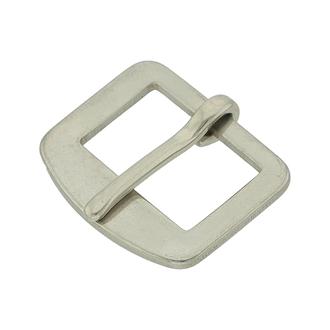
Inner width: 13–20 mm, Number of sizes: 3, Material: stainless steel (AISI 304), 10 pcs/pack, Price per pc
● In stock
from 0,788 € / pc
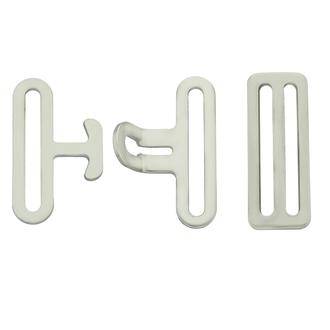
Inner width: 50 mm, Material: stainless steel (AISI 304), 2 pcs/pack, Price per pc
● In stock
2,73 € / pc
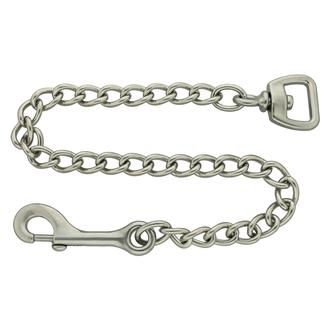
Precision in every link. This is a chain lead, 4 mm in diameter and 60 cm long.
● In stock
11,82 € / pc
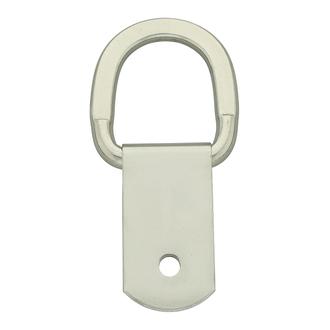
Inner width: 25 mm, Material: stainless steel (AISI 304), 10 pcs/pack, Price per pc
● In stock
0,933 € / pc
Steel alloyed with roughly 18% chromium and 8–10.5% nickel (EN 1.4301). Chromium forms an invisible passive layer on the surface that renews itself in air after a scratch. That is why the steel resists rust even without a protective coating.
For buckles, rings, tri-glides, chains and tags that should stay silver in rain, sweat and mud and have no plating that could wear through. Most pieces are polished, a few are brushed or coloured. With those, check the finish as well.
For regular use in the sea or on the coast, take 316 stainless steel. Salt can leave small pits and brown stains on 304 steel over time.
In normal use it stays shiny for years; only on polished surfaces do fine scratches slowly appear where the strap rubs. After sea water or road salt, rinse the item with fresh water and let it dry. Do not clean it with steel wool or chlorine bleach, as both can leave rust spots.
304 steel is often labelled 18/8, and it is used for things like cutlery and kitchen equipment. A magnet will not identify it reliably: after cold forming, it too is often slightly magnetic.
Values describe the bare material without a surface finish; the finish page says what changes.
Price
Higher
A higher price class, typically associated with a particular material property, manufacturing method or finish. Check the other specifications to see what accounts for the difference.
Strength
Very high
The highest strength class in this comparison. Intended for working gear and other applications exposed to high loads; always match the complete product to its intended use.
Corrosion resistance
Frequent water contact
Suitable for frequent contact with water, moisture and sweat without an additional protective coating. For salt water or chemicals, check whether the material has a marine rating.
Water
Fresh-water immersion
Suitable for repeated wetting and immersion in fresh water. Any care requirements for the complete product still depend on its other materials and components.
| Weight | Medium | A mid-weight option. For small collars, accessories and products worn for long periods, compare the weight of the complete product with a lighter material. |
|---|---|---|
| Allergy risk | Low contact-reaction risk | The material has a low risk of causing a contact reaction in normal use. Individual sensitivity varies, and the selected surface finish and other components also matter. |
| Aging | Slow change | Changes to colour, gloss and surface texture develop slowly during normal use. The exact result still depends on exposure, care and the complete product. |
| Maintenance | No special care | No special care is required. Rinse with water or wipe with a cloth when cleaning is needed. |