Width: 13–25 mm, Number of sizes: 4, Material: cowhide leather, Minimum quantity: 10 m, Price per 1 m
● In stock
from 2,39 € / m
Material
Cowhide leather for belts, collars and leashes, mostly vegetable-tanned and developing a patina. Keep it dry and use balm or wax. Browse hides and straps.
← All products: Cowhide leather
Prices include 21% VAT. More about VAT and customs fees.
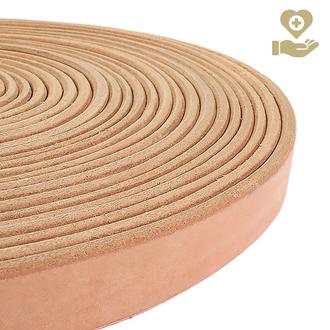
Width: 13–25 mm, Number of sizes: 4, Material: cowhide leather, Minimum quantity: 10 m, Price per 1 m
● In stock
from 2,39 € / m
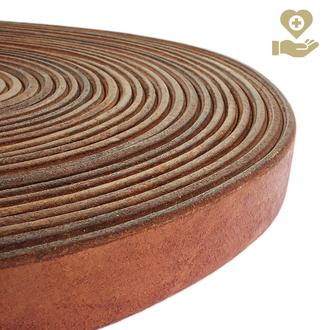
Width: 13–25 mm, Number of sizes: 4, Material: cowhide leather, Minimum quantity: 10 m, Price per 1 m
● In stock
from 2,39 € / m
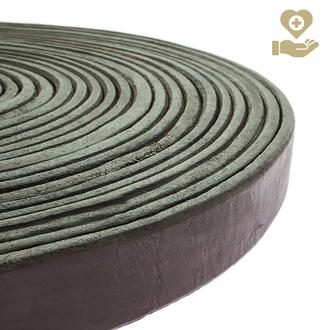
Width: 13–25 mm, Number of sizes: 4, Material: cowhide leather, Minimum quantity: 10 m, Price per 1 m
● In stock
from 2,39 € / m
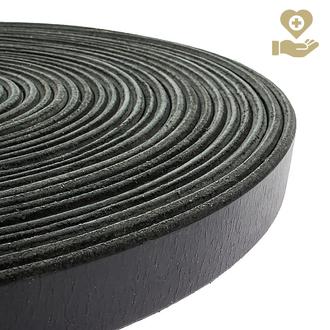
Width: 13–25 mm, Number of sizes: 4, Material: cowhide leather, Minimum quantity: 10 m, Price per 1 m
● In stock
from 2,39 € / m
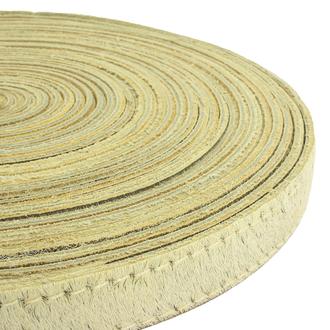
Width: 20 mm, Material: cowhide leather, Minimum quantity: 10 m, Price per 1 m
● In stock
4,54 € / m
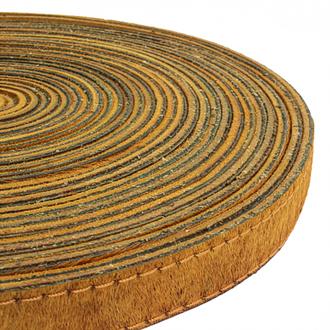
Width: 20 mm, Material: cowhide leather, Minimum quantity: 10 m, Price per 1 m
● In stock
4,54 € / m
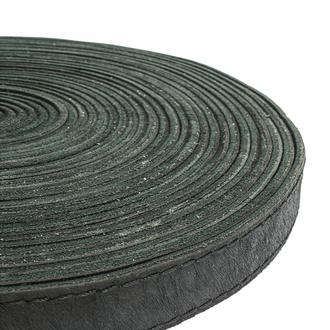
Width: 20–40 mm, Number of sizes: 3, Material: cowhide leather, Minimum quantity: 10 m, Price per 1 m
● In stock
from 4,54 € / m
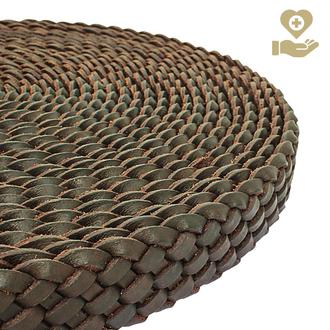
Width: 30 mm, Material: cowhide leather, Minimum quantity: 10 m, Price per 1 m
● In stock
6,82 € / m
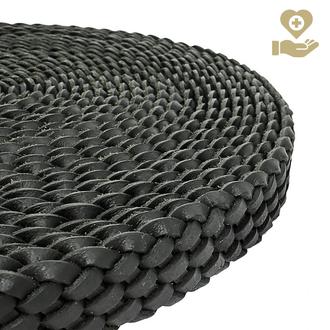
Width: 30 mm, Material: cowhide leather, Minimum quantity: 10 m, Price per 1 m
● In stock
6,82 € / m
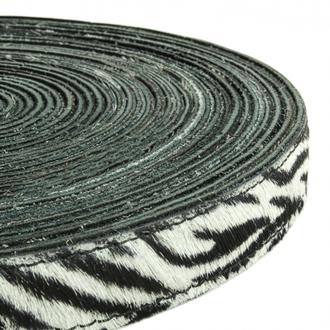
Width: 20 mm, Material: cowhide leather, Minimum quantity: 10 m, Price per 1 m
● In stock
4,54 € / m
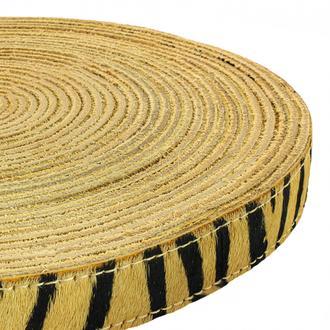
Width: 20 mm, Material: cowhide leather, Minimum quantity: 10 m, Price per 1 m
● In stock
4,54 € / m
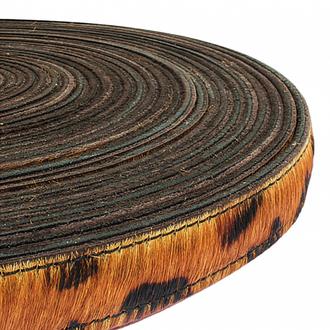
Width: 20 mm, Material: cowhide leather, Minimum quantity: 10 m, Price per 1 m
● In stock
4,54 € / m
Leather is made by tanning raw cowhide. Tanners tan most of our leather with vegetable tannins, for example from quebracho wood and mimosa bark, which make it strong and help it hold its shape. The exception is chrome-tanned hair-on straps. The description of each product states the tanning method.
Butts, shoulders, straps and laces for your own production of belts, collars, leashes and bags. Natural vegetable-tanned leather without a finish can be cut, grooved, stamped and dyed, and its edges burnished.
For dogs that swim and for permanently wet use, do not choose leather, not even waxed; take PVC-coated polyester webbing.
Unfinished vegetable-tanned leather darkens with use, softens and gains a sheen where it is handled. Pigmented and lacquered surfaces change less, but they can scuff or crack at the bends. Water leaves stains on unfinished leather, and soaked leather can harden: let it dry slowly away from heating and then treat it with balm or wax. Just brush the hair-on straps.
Strength, thickness and elongation vary between hides and even within a single hide. Tear strength figures for straps and laces are therefore averages from a laboratory test of the tested strap, not the value of a finished collar. Health test reports (chromium VI, formaldehyde) also describe only the tested sample.
Values describe the bare material without a surface finish; the finish page says what changes.
Price
Higher
A higher price class, typically associated with a particular material property, manufacturing method or finish. Check the other specifications to see what accounts for the difference.
Strength
Medium
Suitable for everyday products exposed to moderate loads. Repeated strong pulling may deform the material, so check the strength of the complete product for demanding uses.
Water
Keep dry
Contact with water can cause corrosion, swelling, mould or other damage. Keep the material dry and dry it promptly if it becomes wet.
Weight
Very light
The lowest weight class in this comparison. Useful for small products and accessories where every gram matters.
| Allergy risk | Low contact-reaction risk | The material has a low risk of causing a contact reaction in normal use. Individual sensitivity varies, and the selected surface finish and other components also matter. |
|---|---|---|
| Aging | Develops patina | Naturally changes colour tone and surface texture. This is not a defect; it is a property of the material. The patina develops gradually and may differ from one piece to another. |
| Maintenance | Regular care | Regular treatment, oiling or impregnation helps preserve the material. Follow the care instructions for the complete product, because the required method and interval can vary. |