Width: 25–45 mm, Sizes: 2, Material: polyamid, Breaking load: up to 150 kg, 1 pcs/pack, Price per pcs
● In stock
from $7.14 incl. VAT
Material
Price
Low
The most affordable option. When you need many pieces at a reasonable price, this is the right choice.
Strength
Medium
Handles everyday walks and regular use. Sufficient for calm and moderately active dogs, but may deform under repeated strong pulling.
Water
Fresh water
Tolerates occasional contact with fresh water — rain, puddles, brief immersion. Better to dry after being in water, otherwise it may degrade over time.
Weight
Very light
Practically weightless. Even the smallest dog will wear it without noticing anything.
| Allergy risk | No risk | Contains no nickel or other known contact allergens and does not release them during wear. Safe for sensitive skin without restriction. |
|---|---|---|
| Aging | Minor changes | Over time slight dulling or minor surface changes may occur. This does not affect function, but is visible on closer inspection. |
| Maintenance | Maintenance-free | No special care needed. Just rinse with water or wipe with a cloth — that is all. |
A tough plastic also known as nylon. It withstands impact and abrasion and is flexible. It's the only one of our plastics that absorbs water: it softens when wet and returns to shape once dry.
Paracord – a braided cord with a core – is one hundred percent polyamide: a load capacity of hundreds of kilograms at a few grams per metre. The body of the Fidlock magnetic buckle is also polyamide.
For load-bearing buckles that work wet, choose acetal instead – it does not absorb water and its stiffness does not drop.
Let wet polyamide dry out and its properties return. Colours hold; the surface dulls slightly over time.
Nylon was the world's first fully synthetic fibre (1935) – and nylon parachutes outlasted silk ones.
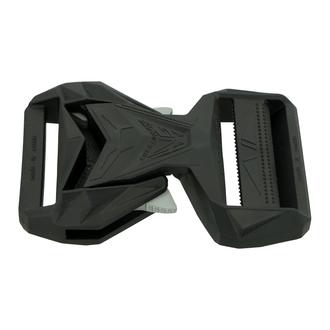
Width: 25–45 mm, Sizes: 2, Material: polyamid, Breaking load: up to 150 kg, 1 pcs/pack, Price per pcs
● In stock
from $7.14 incl. VAT
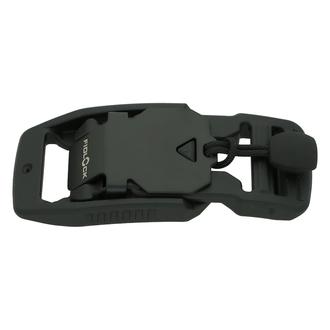
Width: 15–40 mm, Sizes: 7, Material: polyamid, Breaking load: up to 80 kg, 1 pcs/pack, Price per pcs
● In stock
from $5.80 incl. VAT
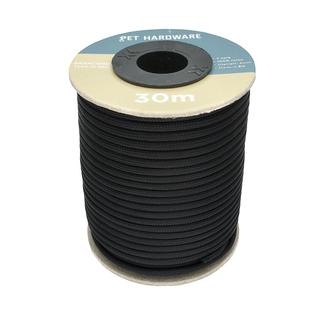
Package quantity: 30–100 m, Material: polyamid, Load capacity: 270 kg, 30 m/pack, Price per 1 m
● In stock
from $0.315 incl. VAT
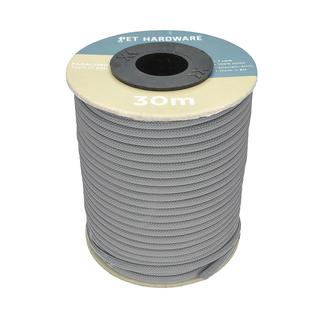
Package quantity: 30 m, Material: polyamid, Load capacity: 270 kg, 30 m/pack, Price per 1 m
● In stock
$0.315 incl. VAT
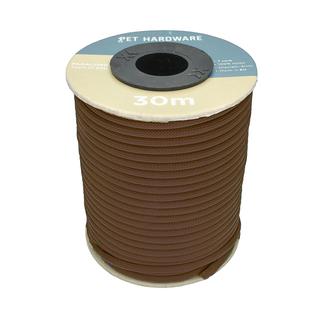
Package quantity: 30 m, Material: polyamid, Load capacity: 270 kg, 30 m/pack, Price per 1 m
● In stock
$0.315 incl. VAT
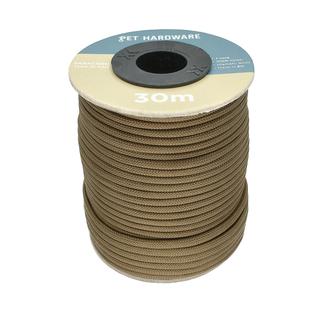
Package quantity: 30 m, Material: polyamid, Load capacity: 270 kg, 30 m/pack, Price per 1 m
● In stock
$0.315 incl. VAT
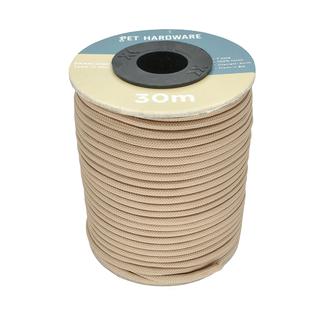
Package quantity: 30 m, Material: polyamid, Load capacity: 270 kg, 30 m/pack, Price per 1 m
● In stock
$0.315 incl. VAT
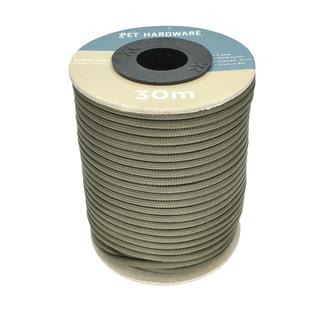
Package quantity: 30 m, Material: polyamid, Load capacity: 270 kg, 30 m/pack, Price per 1 m
● In stock
$0.315 incl. VAT
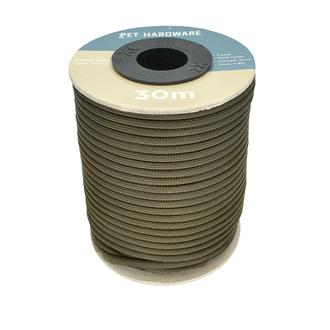
Package quantity: 30 m, Material: polyamid, Load capacity: 270 kg, 30 m/pack, Price per 1 m
● In stock
$0.315 incl. VAT
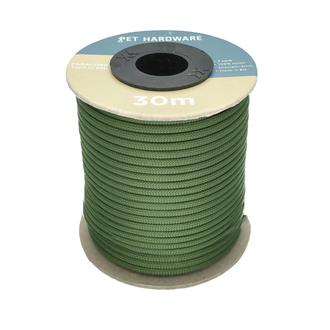
Package quantity: 30–100 m, Material: polyamid, Load capacity: 270 kg, 30 m/pack, Price per 1 m
● In stock
from $0.315 incl. VAT
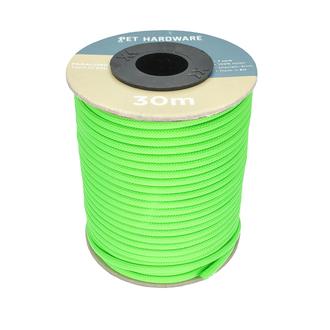
Package quantity: 30–100 m, Material: polyamid, Load capacity: 270 kg, 30 m/pack, Price per 1 m
● In stock
from $0.315 incl. VAT
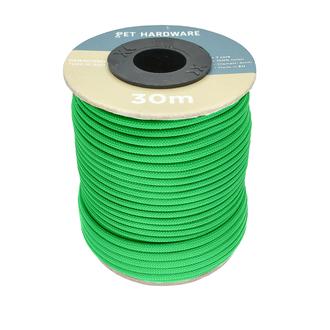
Package quantity: 30 m, Material: polyamid, Load capacity: 270 kg, 30 m/pack, Price per 1 m
● In stock
$0.315 incl. VAT
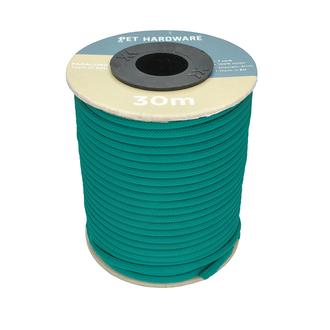
Package quantity: 30 m, Material: polyamid, Load capacity: 270 kg, 30 m/pack, Price per 1 m
● In stock
$0.315 incl. VAT
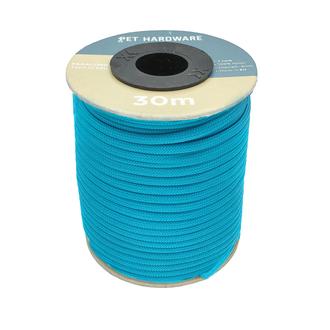
Package quantity: 30 m, Material: polyamid, Load capacity: 270 kg, 30 m/pack, Price per 1 m
● In stock
$0.315 incl. VAT
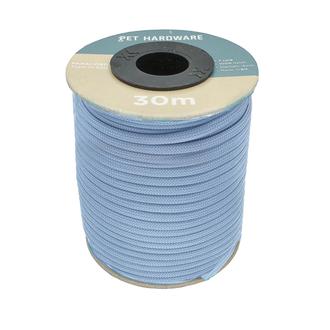
Package quantity: 30 m, Material: polyamid, Load capacity: 270 kg, 30 m/pack, Price per 1 m
● In stock
$0.315 incl. VAT
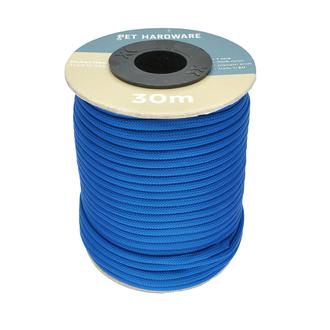
Package quantity: 30 m, Material: polyamid, Load capacity: 270 kg, 30 m/pack, Price per 1 m
● In stock
$0.315 incl. VAT
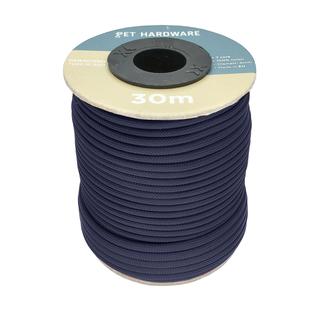
Package quantity: 30 m, Material: polyamid, Load capacity: 270 kg, 30 m/pack, Price per 1 m
● In stock
$0.315 incl. VAT
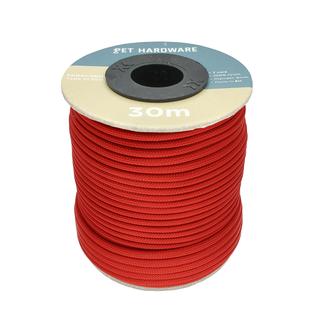
Package quantity: 30 m, Material: polyamid, Load capacity: 270 kg, 30 m/pack, Price per 1 m
● In stock
$0.315 incl. VAT
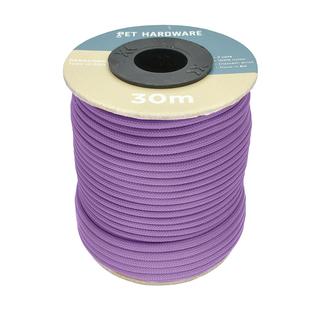
Package quantity: 30 m, Material: polyamid, Load capacity: 270 kg, 30 m/pack, Price per 1 m
● In stock
$0.315 incl. VAT
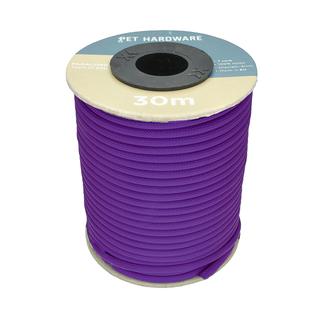
Package quantity: 30 m, Material: polyamid, Load capacity: 270 kg, 30 m/pack, Price per 1 m
● In stock
$0.315 incl. VAT
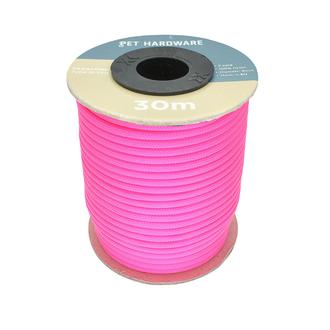
Package quantity: 30 m, Material: polyamid, Load capacity: 270 kg, 30 m/pack, Price per 1 m
● In stock
$0.315 incl. VAT
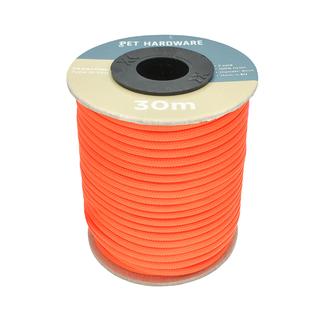
Package quantity: 30 m, Material: polyamid, Load capacity: 270 kg, 30 m/pack, Price per 1 m
● In stock
$0.315 incl. VAT
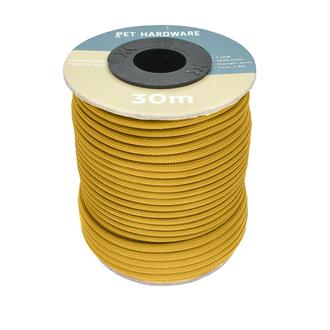
Package quantity: 30 m, Material: polyamid, Load capacity: 270 kg, 30 m/pack, Price per 1 m
● In stock
$0.315 incl. VAT
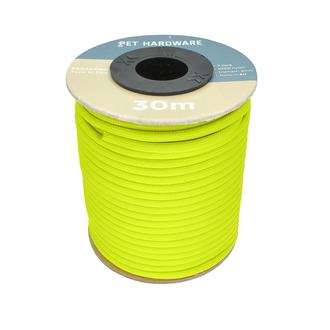
Package quantity: 30–100 m, Material: polyamid, Load capacity: 270 kg, 30 m/pack, Price per 1 m
● In stock
from $0.315 incl. VAT
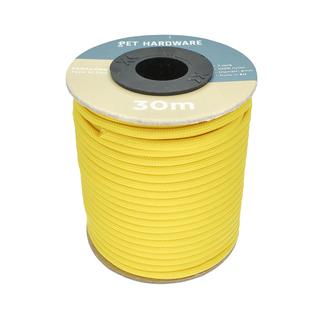
Package quantity: 30 m, Material: polyamid, Load capacity: 270 kg, 30 m/pack, Price per 1 m
● In stock
$0.315 incl. VAT
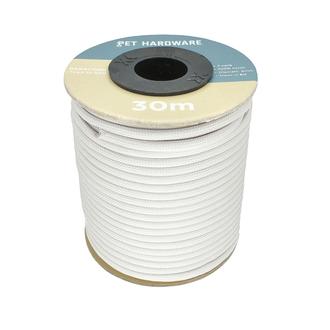
Package quantity: 30 m, Material: polyamid, Load capacity: 270 kg, 30 m/pack, Price per 1 m
● In stock
$0.315 incl. VAT